

June is traditionally considered the most romantic month of the year in Brazil. Driven by the celebrations of Valentine's Day, observed on June 12, this period is marked by expressions of affection, declarations of love, and the exchange of gifts that symbolize deep feelings. Among them, none is as classic and timeless as the rose.When we think of Valentine's Day, one of the first images that comes to mind is the red rose. But did you know that this flower became a symbol of love long before greeting cards, chocolates, and bouquets? With a history that spans centuries, civilizations, and cultures, roses carry meanings that go far beyond their beauty. Let's explore the fascinating journey of this flower, its symbolism, the meaning of its colors, its many varieties, and the interesting facts that help explain why it remains one of the world's most admired and frequently gifted flowers.
The Origin of the Rose as a Symbol of Love
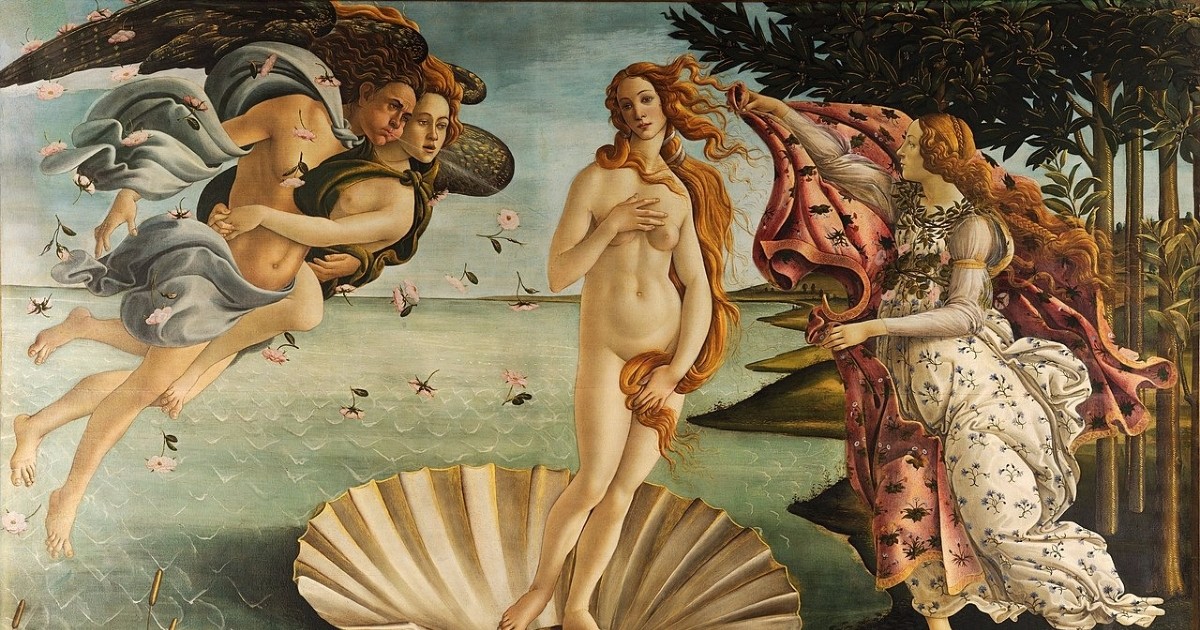
The connection between roses and love dates back to ancient times. In Greek mythology, the rose was associated with Aphrodite, the goddess of love, beauty, and passion, and was regarded as a symbol of her attributes and her influence over human relationships. Among the Romans, this same symbolism was adopted through Venus, the Roman counterpart of Aphrodite. Over the centuries, the rose—especially the red rose—became established as a representation of the deepest and most intense emotions. Its delicate beauty, captivating fragrance, and enduring presence in stories, poems, and works of art helped transform it into a universal symbol of love, romance, passion, and admiration, recognized across cultures around the world.
Floriography: The Secret Language of Flowers
During the 19th century, particularly in the Victorian era, floriography, known as the "language of flowers," became highly popular throughout Europe. In a society shaped by strict codes of conduct and discretion in expressing emotions, flowers became a true means of communication. Each flower species, color, quantity, and even the way a bouquet was presented conveyed specific messages, allowing emotions to be expressed with subtlety and elegance.
Within this context, the rose gained even greater prominence. The red rose became the ultimate symbol of passionate love, devotion, and sincere affection, often used to declare one's feelings when words were considered inappropriate or insufficient. Giving someone roses became a silent yet powerful way to communicate intentions, desires, and deep emotions. This tradition has endured through generations and remains alive today, making the rose one of the flowers most closely associated with romance around the world. Furthermore, floriography assigned distinct meanings to each rose color, transforming a simple bouquet into a message filled with symbolism.
The Meaning of Rose Colors
Red Rose
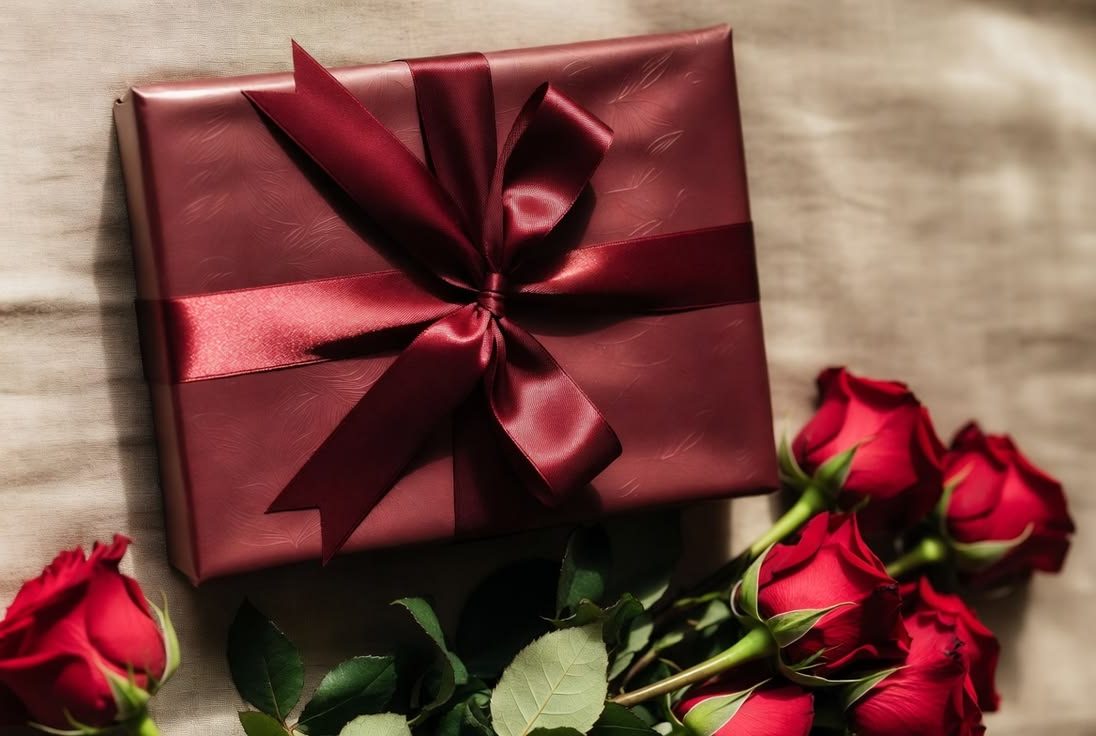
The best-known and most traditional of all roses, the red rose is the universal symbol of romantic love. It represents passion, desire, devotion, and deep emotions, making it the classic choice for declarations of love and celebrations of romantic relationships.
Pink Rose
Delicate and elegant, the pink rose is associated with tenderness, affection, admiration, and gratitude. It was traditionally given to express affection in a gentler way, without the passionate intensity of the red rose.
White Rose
The white rose symbolizes purity, sincerity, innocence, and new beginnings. For this reason, it has become one of the most popular flowers used at weddings, representing unity, peace, and renewal.
Yellow Rose
Today, the yellow rose is regarded as a symbol of friendship, joy, and happiness. Interestingly, during certain periods in history, it was also associated with jealousy and unrequited love, demonstrating how the meanings of flowers can change over time.
Orange Rose
With its vibrant hue, the orange rose symbolizes enthusiasm, fascination, and admiration. Its symbolism blends the warm energy of yellow with the emotional intensity of red, making it a flower associated with inspiration and enchantment.
Lilac Rose
The lilac rose is often associated with enchantment and love at first sight. Its delicate hue also evokes elegance, mystery, and admiration for something rare and truly special.
Coral Rose
Full of vitality, the coral rose symbolizes energy, happiness, and enthusiasm for new opportunities. It is a flower that conveys optimism and celebrates moments of transformation and growth.
Champagne or Cream Rose
Sophisticated and understated, the champagne or cream rose is associated with elegance, respect, and appreciation. Its soft appearance makes it a popular choice for occasions that call for refinement and distinction.
Blue Rose
The blue rose is associated with mystery, the impossible, and dreams that seem unattainable. As blue roses do not occur naturally, they have become a symbol of uniqueness, hope, creativity, confidence, admiration, and the pursuit of the extraordinary.

Interesting Facts About the Language of Flowers
Beyond their colors, the stage of a rose's bloom also carries important meanings within the symbolic language of flowers. A rosebud, still closed or only partially open, can represent youth, innocence, or a love that is just beginning to blossom, still in a phase of discovery and growth. In contrast, a fully opened rose symbolizes emotional maturity and a love that has already been revealed and embraced, expressing a deep, intense, and openly declared affection. In this way, it is not only the color of the rose that conveys a message, but also its stage of development, helping to express different emotions and meanings.
The Number of Roses Also Conveys Messages
Although these interpretations have become more popular in recent years, some are now widely recognized:
1 rose: love at first sight
3 roses: "I love you"
12 roses: a classic declaration of love and commitment
24 roses: "I'm thinking about you all the time"
50 roses: love without limits

The Mystery of the Blue Rose
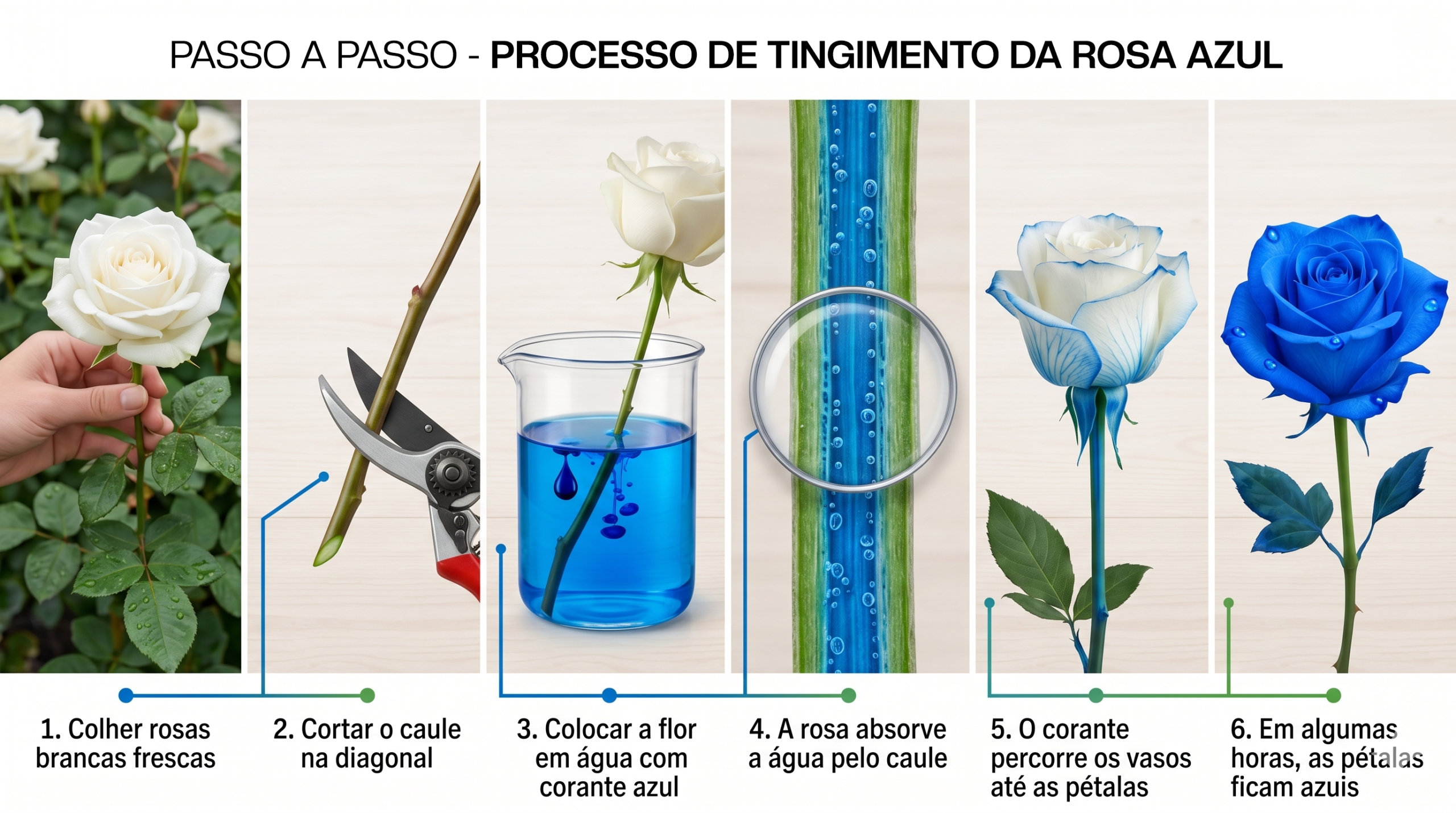
Blue roses have always fascinated people because of their rare and almost mysterious nature, as they do not occur naturally in the wild. Unlike roses of other colors, rose bushes do not possess the pigment required to produce a true blue flower, giving rise over time to numerous legends, symbolic interpretations, and even attempts to create one. For this reason, most blue roses found today are the result of human intervention, typically created from dyed white roses. The most common process involves the stem absorbing blue dye, allowing the color to gradually spread to the petals, which develop their distinctive blue hue within a few hours or days, depending on the intensity of the pigment. In some cases, even more creative techniques involve splitting the stem and using different dye colors, resulting in bicolored or multicolored roses. Rather than diminishing their appeal, this artificial aspect further reinforces the symbolism of the blue rose as a representation of rarity, the extraordinary, and what seems almost impossible to achieve.
The Rose in Perfumery
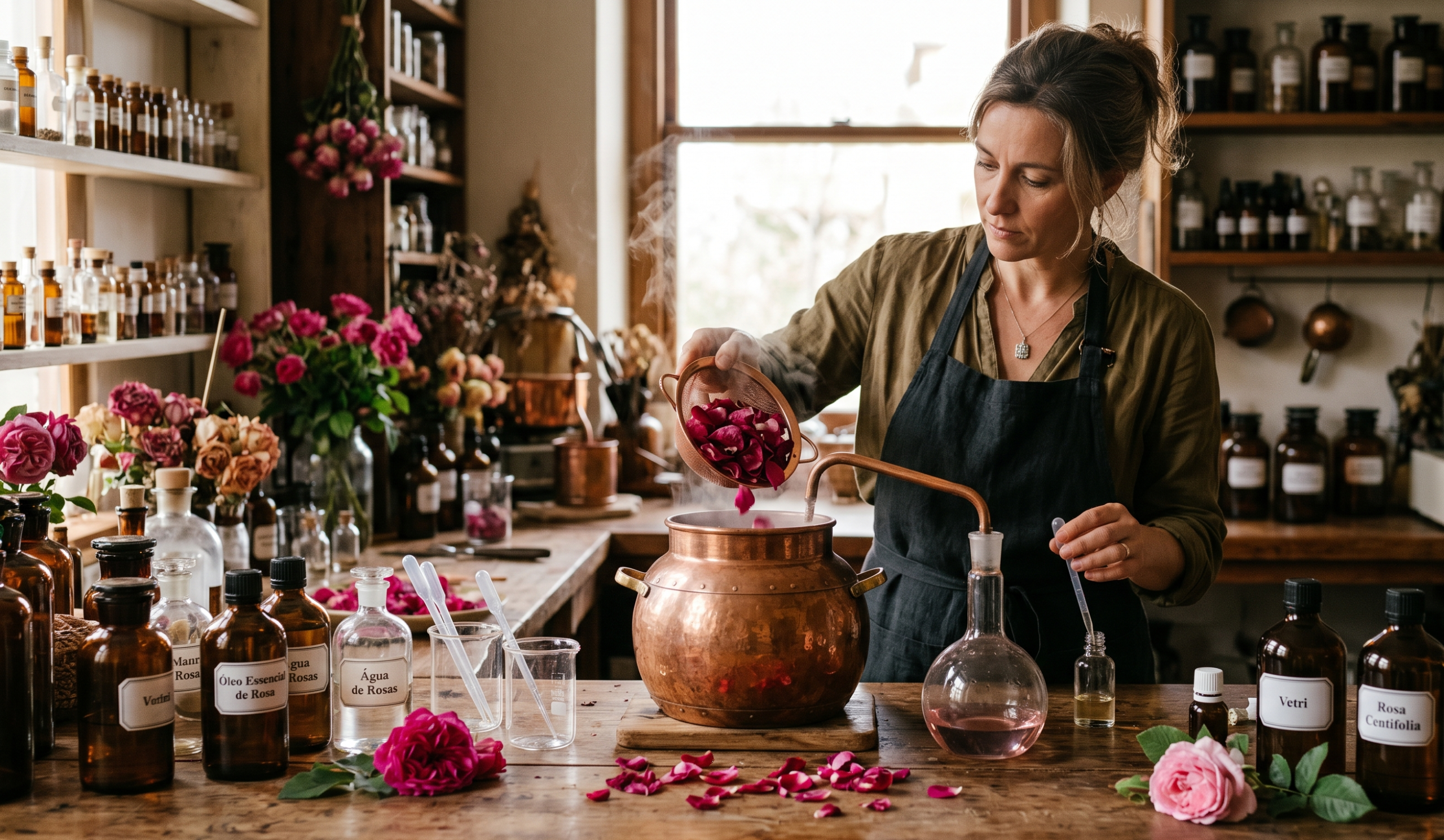
Beyond its beauty and symbolism, the rose also holds a prominent place in the world of perfumery, being one of the most valuable raw materials in the fragrance industry. Its use began to flourish as early as Antiquity, particularly in Persia and throughout the Middle East, where primitive distillation techniques were already used to extract the so-called rose attar, an exceptionally aromatic and precious essential oil.Over time, the use of the rose spread throughout Europe and became deeply rooted in the French perfumery tradition, especially in regions such as Grasse, widely regarded as the birthplace of modern perfumery. Extracting rose essential oil is a delicate and highly expensive process, as thousands of petals are required to produce only a small amount of essence. Among the most prized varieties are Rosa Damascena (Damask Rose) and Rosa Centifolia (Cabbage Rose), renowned for their complex fragrance, which blends floral, fresh, sweet, and subtly spicy notes. To this day, the rose remains one of the most iconic ingredients in perfumery, featured in countless fragrances around the world.
The legacy of roses in French tradition
The history of roses in France is also closely linked to Empress Josephine, wife of Napoleon Bonaparte. Enchanted by the flower, she gathered one of the largest rose collections of her time in her garden at Château de Malmaison and encouraged the cultivation of rare species from various countries. Her passion helped popularize roses in French gardens, establishing the flower as a symbol of love, delicacy, and refinement that transcends generations.
This legacy is still reflected today in the strong French tradition of cultivating and appreciating roses, which goes far beyond private gardens and extends to public spaces dedicated to preserving this botanical and cultural heritage. In France, a country considered one of the great birthplaces of perfumery and floral appreciation, this rose tradition is also present in historic gardens that celebrate their beauty and diversity. In Lyon, the famous rose garden of the Parc de la Tête d’Or stands out as one of the most important in Europe. The site hosts thousands of rose bushes spread across a vast area, bringing together hundreds of varieties from different parts of the world. More than just a garden, the rose garden functions as a living heritage site, preserving the cultural legacy of roses and reinforcing the connection between nature, art, and the elegance so characteristic of French tradition.
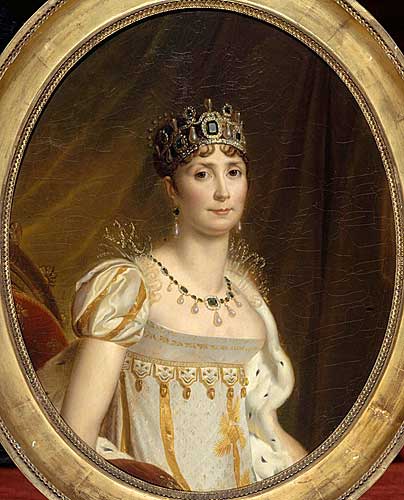
Image: Google Images reproduction

The history of the rose is also intertwined with silk and textile arts.
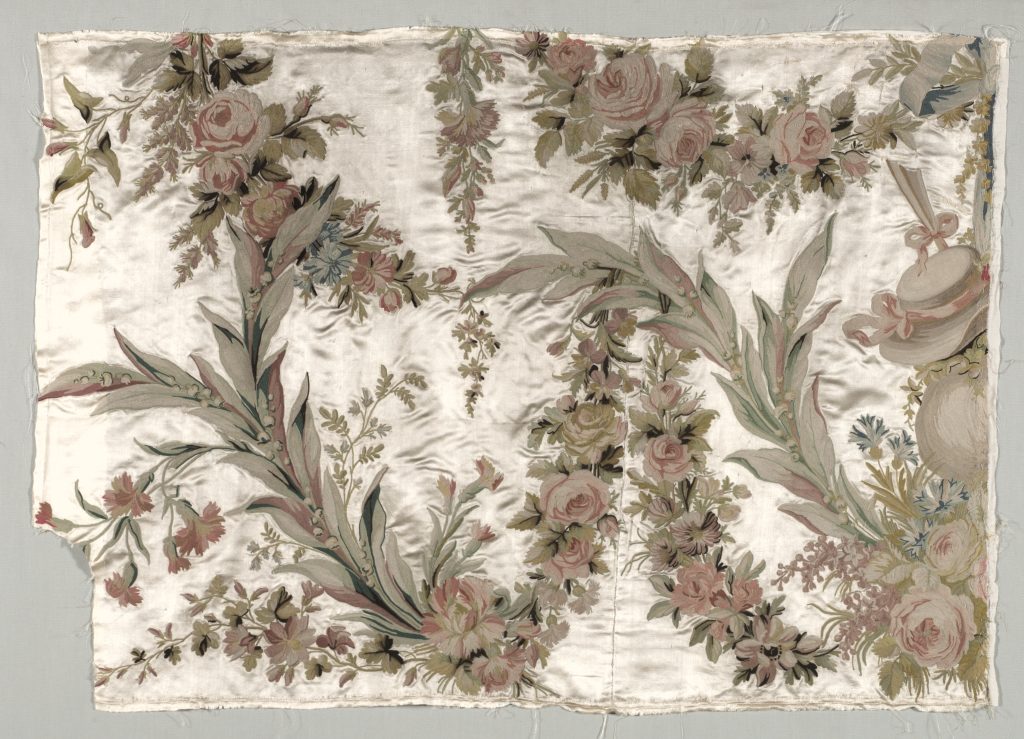
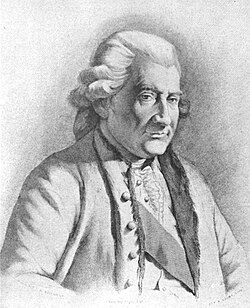
During the height of the silk industry in Lyon, between the 17th and 19th centuries, roses also gained prominence in textile arts. The city became one of the main European centers of silk production, where sophisticated patterns were created from inspirations drawn from nature, especially flowers. In this context, roses stood out as one of the most widely used motifs, associated with elegance, luxury, and the romanticism that marked European aristocratic fashion. Illustrators and designers transformed the delicacy of the flower into highly detailed patterns applied to dresses, scarves, and haute couture fabrics. Among the most important names of this period is Philippe de Lasalle, who elevated the art of textile design to a new level by creating refined floral compositions in which roses often played a central role. His works are preserved in major collections, including the Musée des Tissus et des Arts Décoratifs, reinforcing his importance in the history of textile art and European fashion.

And the story that continues to bloom
Throughout history, roses have gone beyond the role of simple ornamental flowers to become universal symbols of emotion, art, and culture. Present in ancient myths, imperial gardens, iconic fragrances, and even the most refined textile creations, they have accompanied the evolution of human sensitivity and the ways love is expressed. In every era, they have reinvented their meanings without losing their essence: the ability to communicate what words often cannot express. And it is precisely in this silent yet deeply striking permanence that their most lasting beauty lies.



 Portuguese
 French
 English
 Italian