

Each season, the fashion industry comes together to understand not only what will appear in stores, but also how these garments will be produced. According to projections by Première Vision — one of the world’s leading textile and fashion trade shows — the Spring-Summer 2027 collections will bring a significant shift in the way we think about sustainability.
The major turning point this season is the revival of savoir-faire — a French term meaning “know-how,” referring to the artisanal and technical knowledge required to produce with excellence. The goal now goes beyond simply using a fabric with an “eco-friendly” label: it is about combining material science and technology with technical expertise to create garments that are beautiful, comfortable, durable, and less likely to become accumulated waste on the planet.
The Return to Simplicity: Why Is “Pure” Back in a Big Way?
If you look at the label of an ordinary T-shirt in your wardrobe, you will likely see a blend of materials, such as “60% polyester, 35% cotton, and 5% elastane.” Although these blends can make garments more affordable or stretchy, they create a major problem: separating these fibers for recycling is almost impossible with current technologies.
For this reason, Première Vision points to mono-materials as major protagonists for Spring-Summer 2027. These are fabrics made from a single raw material, such as 100% high-density cotton, 100% linen, or entirely recycled polyester. By choosing a pure-fiber garment, consumers acquire a more durable item that can, in the future, be shredded and transformed into a new yarn without the need for complex chemical separation processes.

Innovative Fibers: Nature Revisited Through Science
Today, synthetic fibers account for nearly 70% of everything produced by the fashion industry. To reduce dependence on petroleum, the industry has developed smart technological alternatives derived from plant-based or biological sources:
- PlaX™ and NOOSA® PLA: Yarns made from plant-based sugars that replace petroleum-derived synthetics. Pioneering fibers such as PlaX™ and NOOSA® PLA stand out for their potential to be recycled repeatedly without losing the original quality of the fabric.
- Sorona®: A partially renewable alternative that provides stretch, softness, and shape recovery to garments, replacing traditional elastane without compromising the product’s future recyclability.
- SPIBER Biotechnology: The biotechnology company SPIBER is leading the development of protein fibers fermented by microorganisms. The result is a high-performance textile already adopted by luxury collections and fashion brands such as The North Face, Stella McCartney, and Goldwin, replacing synthetic and animal-derived fibers with a lower environmental impact.
- Next-Generation Cellulose: Soft fibers produced by repurposing agricultural waste, such as hemp residues, straw, or husks, as well as discarded cotton textiles, reducing the need to extract wood from forests.
- Modernized Linen and Hemp: Ancient fibers that require very little water to grow and are now receiving technological treatments that make them exceptionally soft and comfortable from the very first use.
- Bioengineered Silk: Considered one of the major revolutions in textile biotechnology, the recreation of silk — particularly inspired by spider silk — through precision fermentation and genetic modification of silkworms is generating fibers up to five times stronger than steel while remaining fully biodegradable. In addition, silk fibroin is being transformed into sustainable bioplastics and high-performance mono-material textiles.
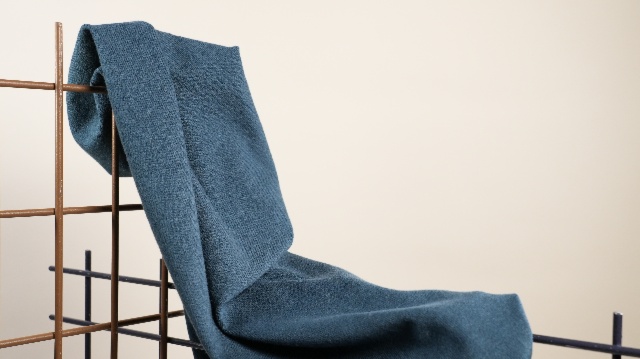
Foto: Reprodução / Première Vision
Clean Dyeing and Traceability: The End of “Greenwashing”
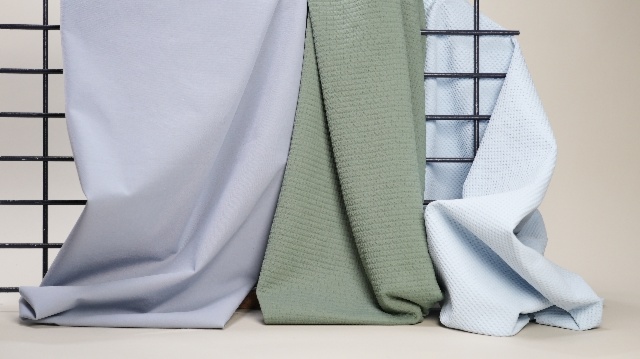
There is little point in creating a sustainable textile if the dyeing process itself is polluting. That is why the industry is replacing heavy chemical dyes with pigments extracted from plants, minerals, and even food waste. In addition, new techniques use very little water — or almost none — to fix colors onto fabrics.
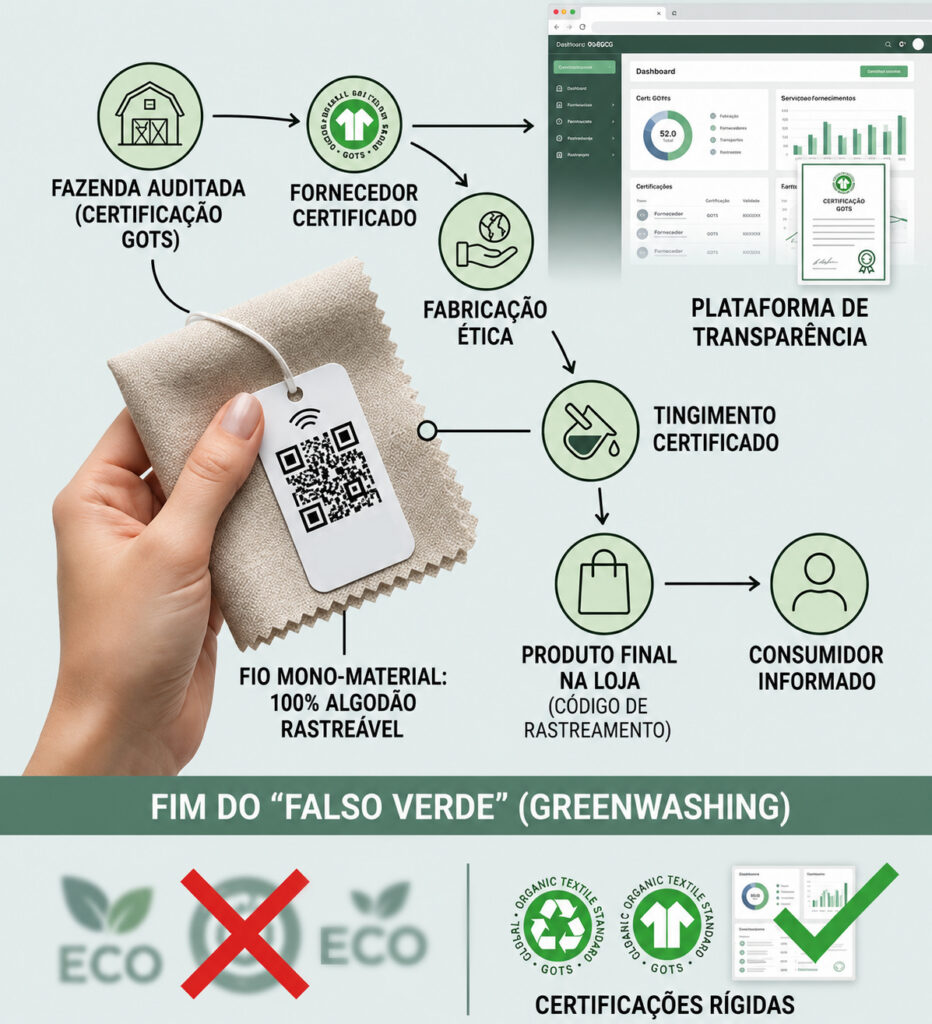
Another fundamental aspect is traceability, which has become a powerful tool against greenwashing, or false claims of sustainability. Today, simply saying that a brand is sustainable is no longer enough. With new certifications and technologies, it is possible to trace a garment’s exact journey: from the farm where the fiber was harvested, to the factory where it was dyed, and the conditions under which it was transformed into a finished garment.
The New Luxury Is Durability
Première Vision’s guidelines for Spring-Summer 2027 make it clear that the fashion of the future does not require us to give up style or comfort. Instead, it is about combining sustainable material technologies with technical and artisanal care at every stage of production. This proves that it is possible to create beautiful, comfortable, and durable garments without polluting the planet or generating disposable waste. Ultimately, the message for both brands and consumers is clear: the true value of fashion today lies in transparency, greater attention to garment composition, a preference for pieces designed to last and be easily recycled, and complete transparency throughout their entire journey.