

Recycling and Sustainability at Hermès:
How Luxury Fashion Can Be Circular
When we speak of luxury fashion, we immediately imagine exclusivity, tradition, and sophistication. Increasingly, brands are aligning themselves with sustainability, and luxury fashion is no exception to this movement. In this context, Hermès stands out as one of the brands that best translates the concept of a circular economy applied to the high-end market, bringing together craftsmanship, durability, and the intelligent reuse of materials.
Unlike mass recycling practiced by the conventional industry, Hermès operates on a model based on longevity, the full use of raw materials, and creative reuse—preserving the symbolic and material value of each piece.
Since its founding in 1837, Hermès has built its identity around the idea that true luxury is something that transcends generations. Its bags, scarves, accessories, and objects are designed to last for decades. This concept drastically reduces waste and aligns with one of the most important principles of sustainability: consuming less, but better. Rather than encouraging constant replacement, Hermès promotes care, maintenance, and restoration of its products.

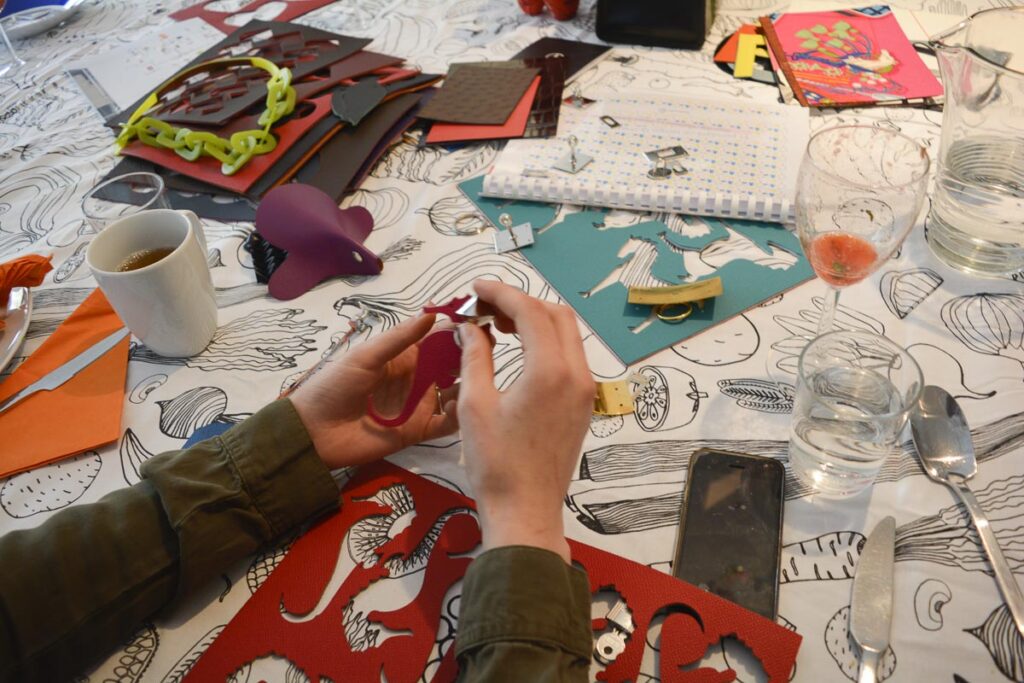
The Petit h project was born from the vision of Pascale Mussard, a sixth-generation member of the Hermès family, who always had the habit of preserving materials that might otherwise be discarded. While walking through the maison’s workshops, she noticed the amount of leftover materials—such as scraps of fine leather, including crocodile and calfskin, as well as pieces with small imperfections like buckles, porcelain, and Saint-Louis crystal. Although produced from the highest-quality raw materials, these items did not meet the brand’s demanding standards and were therefore set aside. From this observation came the idea of creating Petit h, a space dedicated to reinterpreting these materials. The proposal is to transform these elements, through the creative vision of artisans and artists, into singular and sophisticated objects—giving new value to what would previously have been considered waste, a true expression of upcycling in the world of luxury.
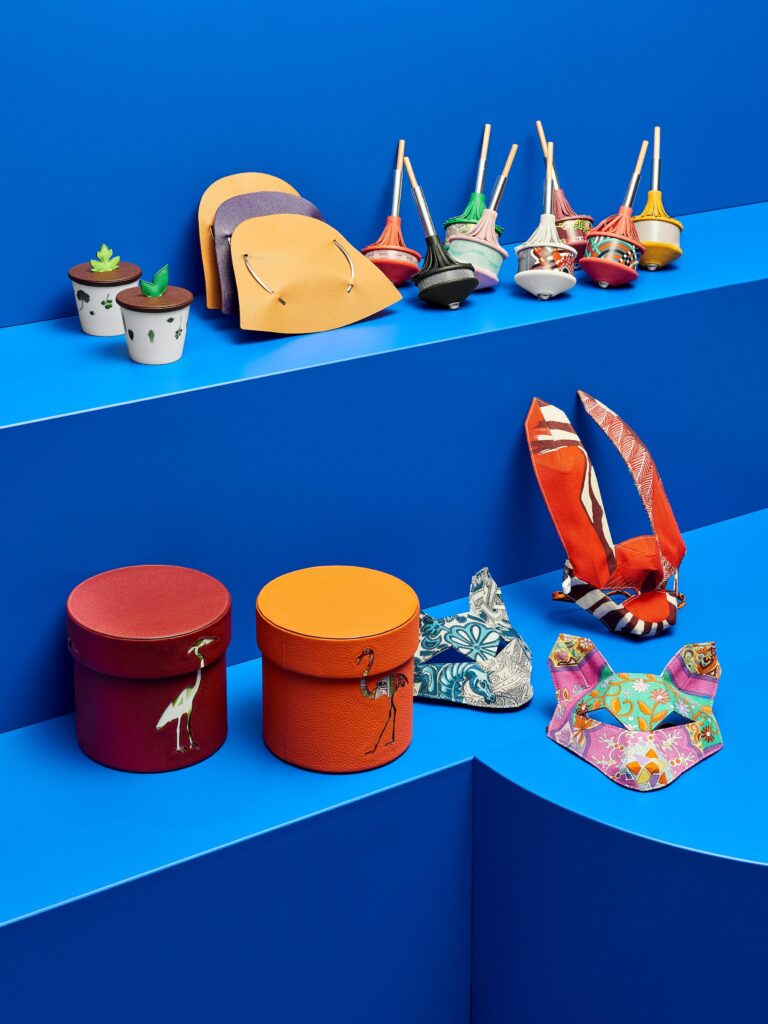
The Petit h project is the greatest symbol of Hermès’ creative recycling. The initiative gives new life to noble material leftovers from the workshops, transforming what would be discarded into original and exclusive pieces. Leather, silk, metals, crystal, and wood become part of new creations through artisanal processes. These materials are reinvented by the brand’s craftsmen and transformed into exclusive bags, fashion jewelry and fine jewelry, decorative objects, and unique accessories.
Each Petit h item is a singular piece, carrying intentional imperfections and strong artistic value. Reuse does not diminish the product’s value—on the contrary, it makes it even more exclusive.
“For me, it is a translation of the French spirit in design, in the same way as pain perdu in gastronomy”, says Pascale, comparing it to the traditional French recipe whose name literally means “lost bread.” The idea is precisely to use stale or hardened bread that would otherwise be discarded, transforming it into a delicious dessert or breakfast.
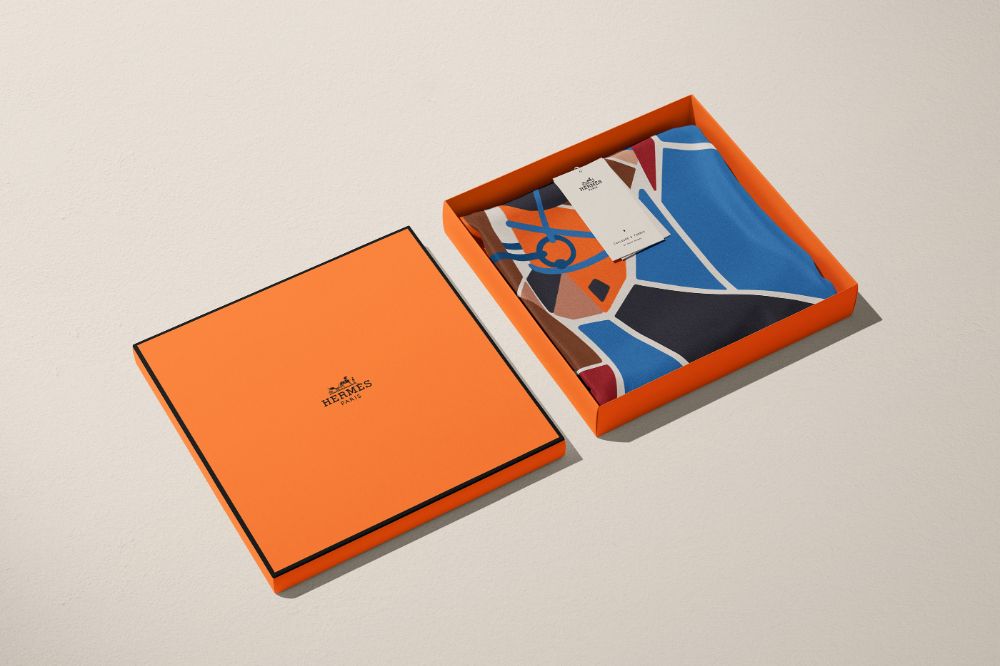
From Carré to Leather: Luxury with Responsibility
The famous Hermès silk scarves, known as carrés, are produced with extremely rigorous technical and environmental standards. The silk used is traceable, and the production process seeks to minimize waste. Fabric remnants are reused in new creations, may give rise to smaller pieces, and in some cases are sent to specialized textile recycling processes. This strict control ensures that every stage of production is conducted with meticulous attention, guaranteeing excellence in quality and compliance with high environmental standards.
Leather, a central raw material in the brand’s identity—especially in the making of bags—reveals another dimension of this care. The cutting of hides is carefully planned to optimize their use as much as possible, and residues are classified according to their characteristics for different destinations, such as the creation of small accessories or appropriate industrial recycling. This system is supported by Hermès’ own tanneries, which operate under strict environmental regulations and careful control of chemical inputs, consolidating a production model that combines artisanal tradition, efficiency, and environmental responsibility.
Repair and Restoration: A Luxury That Renews Itself
The repair and restoration service represents one of the foundations of Hermès’ circular economy strategy. The maison offers maintenance for bags, scarves, watches, and other creations even after many years of use, significantly extending their life cycle. By encouraging care and preservation, the brand not only maintains the value of its pieces over time but also reduces the demand for new production. More than technical support, this service strengthens the emotional bond between client and object, reinforcing the idea that true luxury is made to last.
Transparency and Brand Commitment
The brand regularly publishes sustainability reports that present, in a structured manner, its goals and progress in environmental and social areas, demonstrating the consistency of its positioning. Among its main guidelines are the continuous reduction of carbon emissions, responsible water resource management, the expansion of renewable energy use, and greater transparency throughout the supplier chain. At the same time, the company reaffirms its commitment to ethical social and labor practices, integrating corporate responsibility into its business model.
Creators and Collaborations Reinventing Luxury
Currently, creative direction is led by Godefroy de Virieu, who maintains the project’s experimental and sustainable essence. Over the years, the studio has collaborated with designers such as Claudia Hägeli, known for her playful and poetic creations; Nathalie Dewez, who works with sculptural forms and diverse materials; and the duo Nicolas Daul and Julien Demanche, who explore new possibilities with silk and leather. Among the invited artists, Christel Sadde stands out for her delicate mobile sculptures, and Lucia Hierro incorporates a contemporary pop aesthetic into her creations. Petit h pieces can be found on the official Hermès website, in selected brand boutiques, and at pop-ups or special events organized by the maison.
Reinventing to Exist: Upcycling in Design and Fashion
Several creators around the world have also been exploring the potential of upcycling as both an aesthetic language and a sustainable positioning strategy. The Dutch studio Formafantasma developed projects for Fendi using leather and natural materials discarded in the brand’s workshops. In Brazil, designer Alessandro Jordão transformed Volkswagen Beetle body panels into furniture pieces, while architect Maurício Arruda reinterpreted plastic market crates (used to transport fruits and vegetables) into dressers and nightstands. In Germany, Tobias Juretzek conceived the Rememberme chair, produced from compressed used clothing. Meanwhile, Italian producer Livia Giuggioli gained prominence by exclusively wearing upcycled dresses at gala events, reinforcing that sustainability can walk hand in hand with elegance and sophistication.
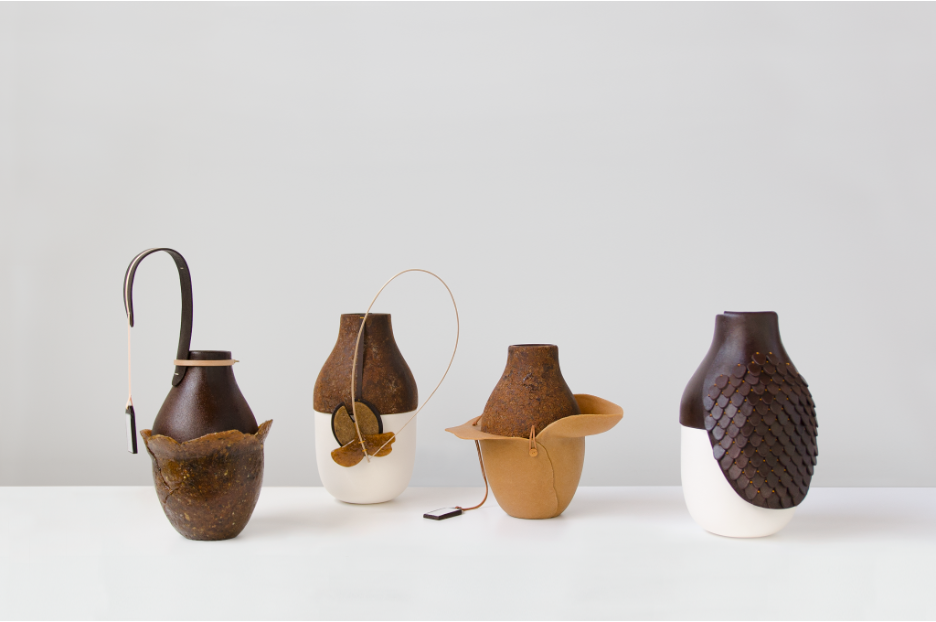
Works by the Dutch studio Formafantasma
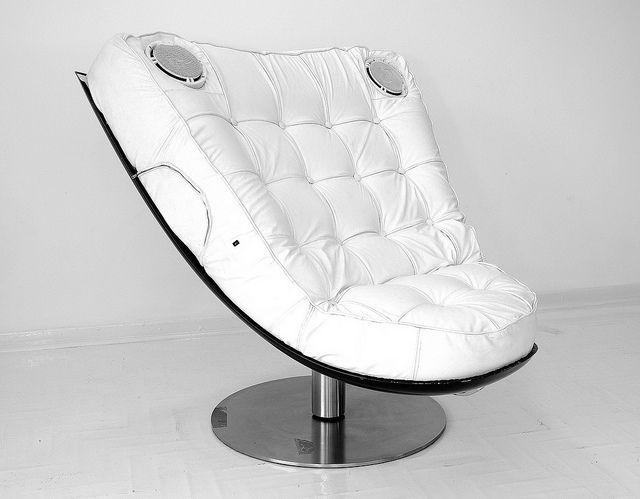
Designer Alessandro Jordão created furniture using Volkswagen Beetle bodywork
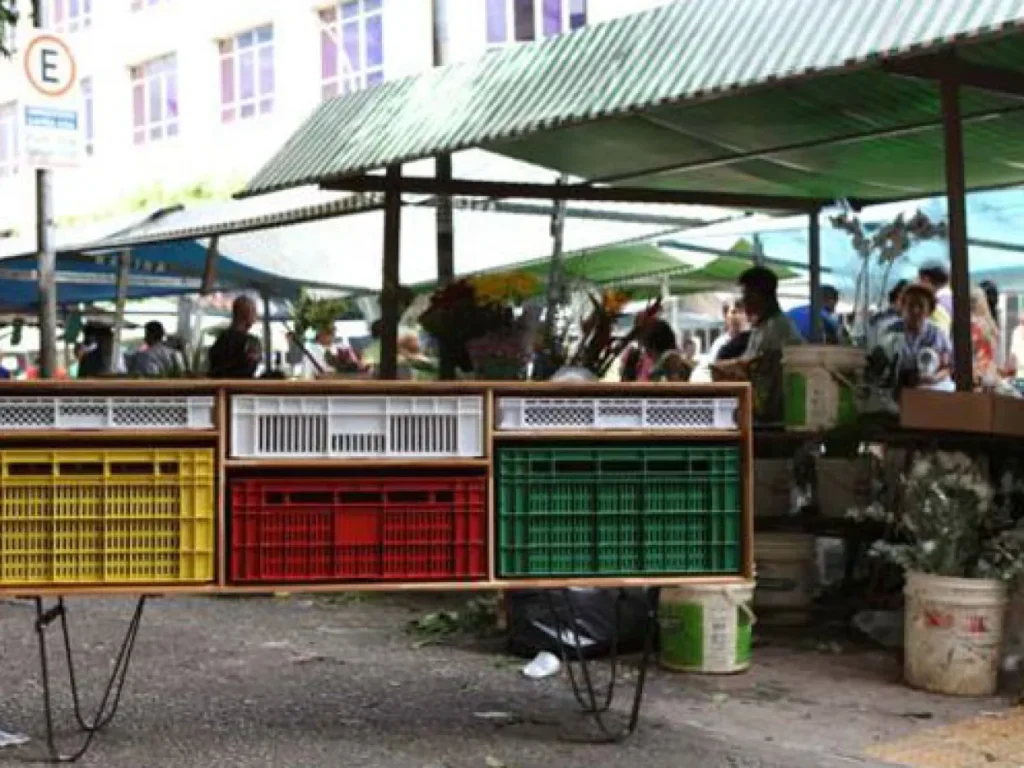
Conceptual piece by architect and designer Maurício Arruda. Photo: Felipe Morozini
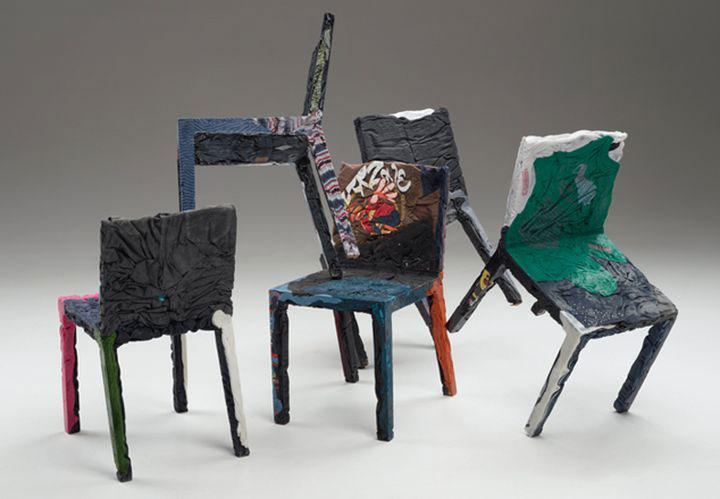
Rememberme chairs by German designer Tobias Juretzek
In a context where sustainability has become an urgent necessity—including for fashion—it is essential that brands and consumers reinvent themselves in response to the environmental impacts of consumption. Hermès demonstrates that this transformation does not need to be merely rhetoric or a passing trend, but can be integrated into the very essence of a brand, reflected in the durability of its pieces, care for natural resources, and appreciation of artisanal know-how. Thus, it stands as an example that true luxury lies not in excess, but in quality, responsibility, and the ability to evolve consciously.
Sources: Hermès, Veja, Globo, Revista Claudia, Harper’s Bazaar, Social Design Magazine, Lilian Pacce, The Bold Concept, Pinterest, Google Images.