
(Audio available in Portuguese only)
By Deborah Rocha
Photo: Vartan Ohanian
Intrauterine life has no microbial life and microbiology has nothing to do with this stage of life: false and arch-false.
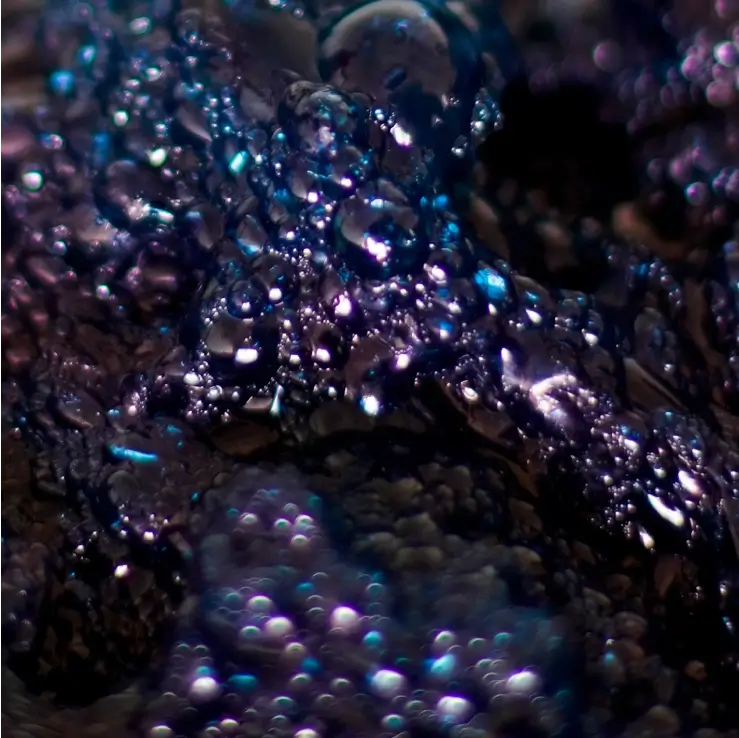
A recent study found that the intestinal microbiota of pregnant women produces extracellular vesicles capable of migrating into the amniotic fluid. These can prepare the fetal gut to be colonized by microorganisms from the future microbiota, thus playing a role in the immunity of the baby and the future adult.
The discovery was published in November 2023 by a team of Finnish researchers from the University of Oulu. It's as if each bacterium released a mini bubble - in other words, we've gone from the micrometer to the nanometer.-9This tiny bubble containing bacterial elements - not whole bacteria, but fragments of bacteria - is what was found in the amniotic fluid.
We're finally starting to realize that “immune system education” (because the fetus also has an immune system) could start from intrauterine life, but under the influence of the mother's intestinal microbiota. It's a type of education that starts very slowly, in tiny doses.
These are very exciting data that allow us to see how the health mechanism of the pregnant woman acts on her unborn child, seen through lenses that zoom in on the infinitely small. In short: the child's own individual microbial life does indeed begin at birth, but the impact of the microbiota on the development of the child and the future adult begins as early as pregnancy. We thus have a window of understanding through the infinitesimally small particles found in amniotic fluid.
That's because when we are born, we become hybrid beings: half human, half microbial. We are all micro-chimeras. We receive around 23,000 genes from our parents - an insignificant number compared to the 3.3 million genes belonging to the bacteria in our bodies. While a 70-kilogram man is made up of 70 trillion cells, there are 100 trillion bacteria in his gut. The other 600 trillion are found in the skin (10,000 every 2 centimeters), mouth, nasal cavity, sinuses and genitourinary system.
My conclusion is that health is ultimately a fine line between health and non-health, epidemic and non-epidemic. No wonder great scientific discoveries were made during times of crisis.
If the father of microbiology was the Dutchman Leeuwenhoek, Louis Pasteur, another famous microbiologist, can be considered the father of modern immunology. Between the middle and end of the 19th century, he demonstrated that microorganisms cause disease and discovered how to make vaccines from weakened or attenuated microbes.
It's no exaggeration to say that from his research to eradicate the epidemic of pebrina that attacked the silkworm (yes, look at him!), completely devastating mulberry fields across Europe, Pasteur developed the first vaccines against fowl cholera, anthrax and rabies.
In the 21st century, it's as if we're crawling towards a new era and a new medicine that in the future will take over the reins from our microbial half. We're only at the beginning of something new! It's a world in itself!