
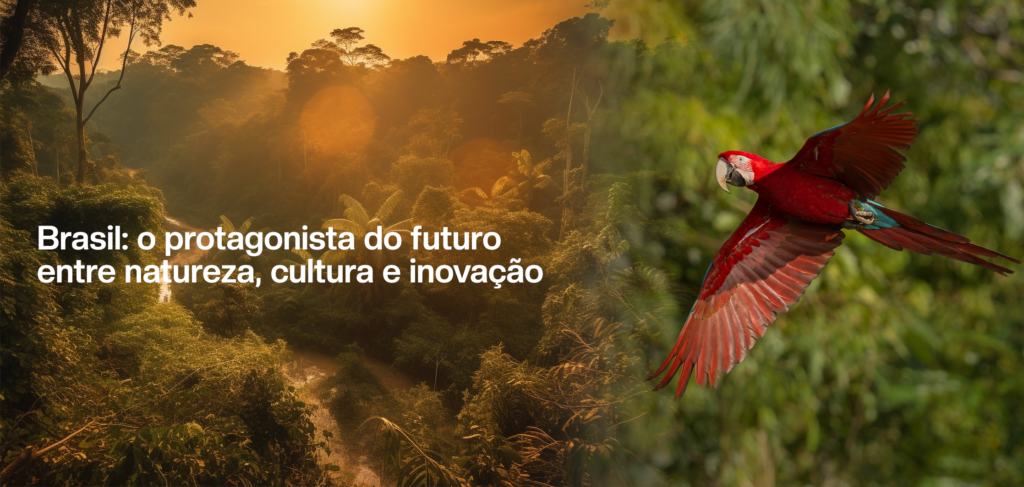
Brazil is having its moment! In a global landscape marked by economic uncertainty, geopolitical tensions, and an urgent search for sustainable solutions, the country emerges as a natural and strategic protagonist. It is no coincidence that the world’s eyes are turning toward it.
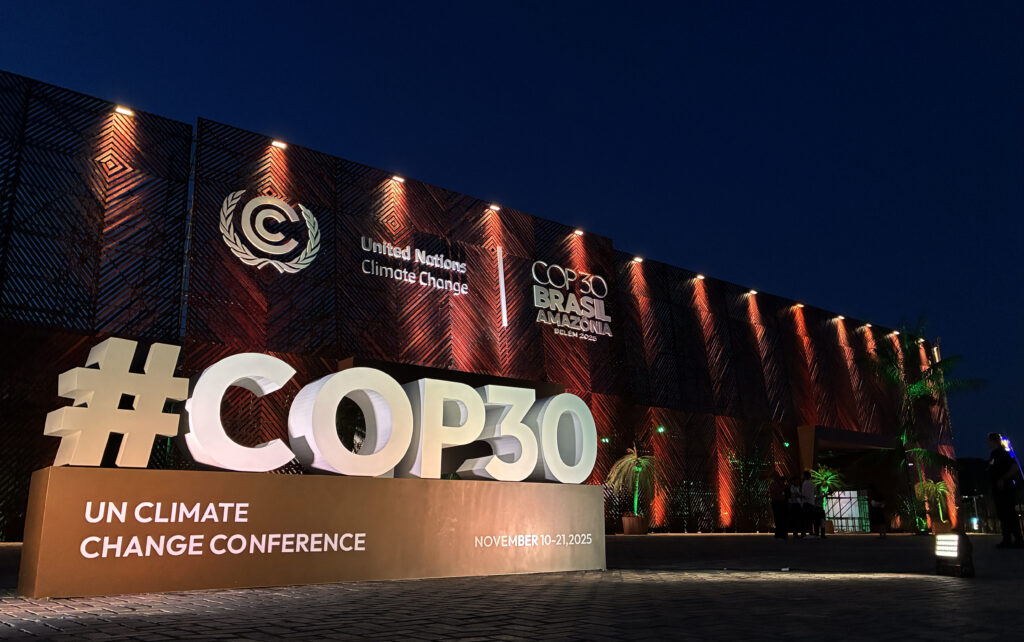
One of the recent milestones behind this visibility was COP30, held in 2025, which placed Brazil at the center of global discussions on the environment and sustainability. Hosting an event of this magnitude not only reinforced Brazil’s leadership in the climate agenda, but also highlighted the strategic importance of the Amazon and the country’s responsibility in facing the planet’s environmental challenges. More than a diplomatic gathering, COP30 was a clear signal that Brazil has regained a relevant role in major international decisions.
But Brazil’s prominence goes beyond environmental issues. The country brings together a rare combination of assets: abundant natural resources, a relatively clean energy matrix, unmatched agricultural potential, and a robust domestic market. At a time when the world is seeking more sustainable and resilient alternatives, Brazil positions itself as a key player—whether in food security, energy transition, or green innovation.
In addition to renewed diplomatic and trade relations with different economic blocs, which expand investments and strengthen the country’s image abroad, Brazil also stands out for its culture and creativity—factors that consolidate its rise as a global protagonist and place it at the center of discussions about the future.
Brazil is a country of remarkable natural wealth, with landscapes that reveal its diversity and beauty in every region. From paradise-like coastlines to lush forests, there is always a setting capable of surprising—and in the heart of the Amazon, it is no different.
It is precisely in this diversity that the country reveals, in a more sensitive way, the strength of its territory.
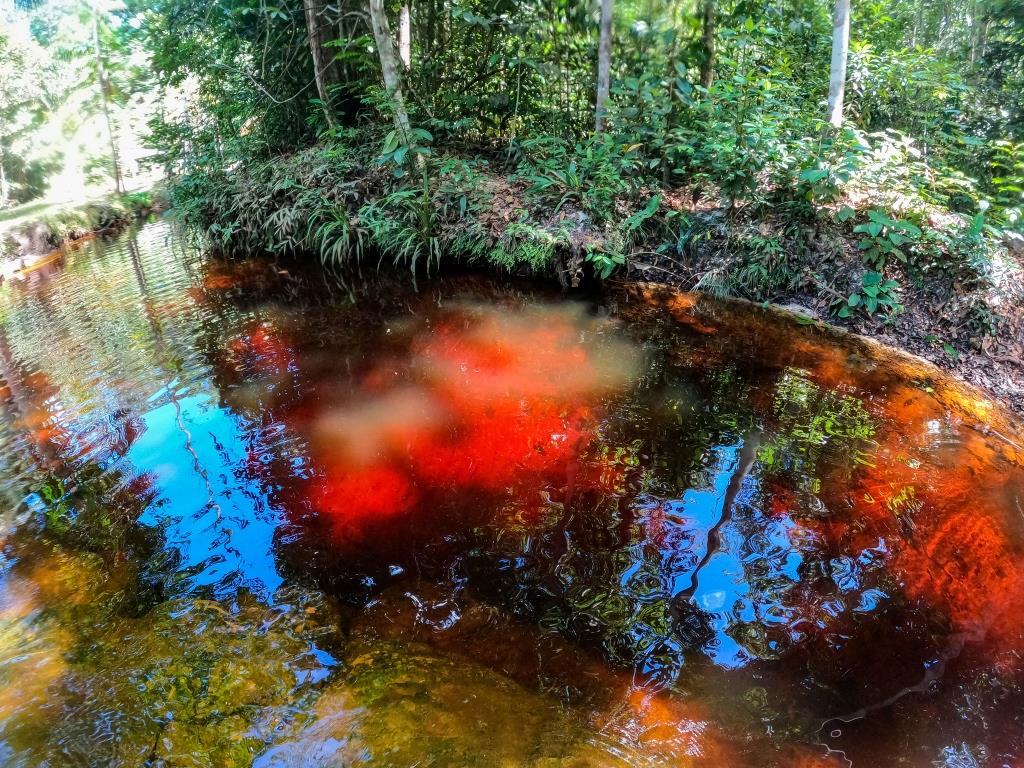
One of the most enchanting examples is the Rio Vermelho, one of the most iconic attractions of the Amazonian summer in Presidente Figueiredo. The site draws attention for its reddish-colored waters, a result of the high concentration of minerals in the soil, especially iron. When this mineral comes into contact with water and oxygen, a natural oxidation process occurs, giving the river its characteristic tone and creating a rare and fascinating visual effect. The color may range from softer shades to a more intense red, depending on light incidence, depth, and the time of year.
During the drier season, this landscape becomes even more special. As the water level decreases, the riverbed reveals itself in different layers, forming small natural pools of clear and calm waters.
Located about 107 km from Manaus, with easy access via the BR-174 highway, Rio Vermelho is an invitation for those seeking tranquility and direct contact with nature. More than a destination, it represents the essence of the Amazonian summer and reinforces how Brazil holds true natural treasures—still little explored, yet absolutely unforgettable.
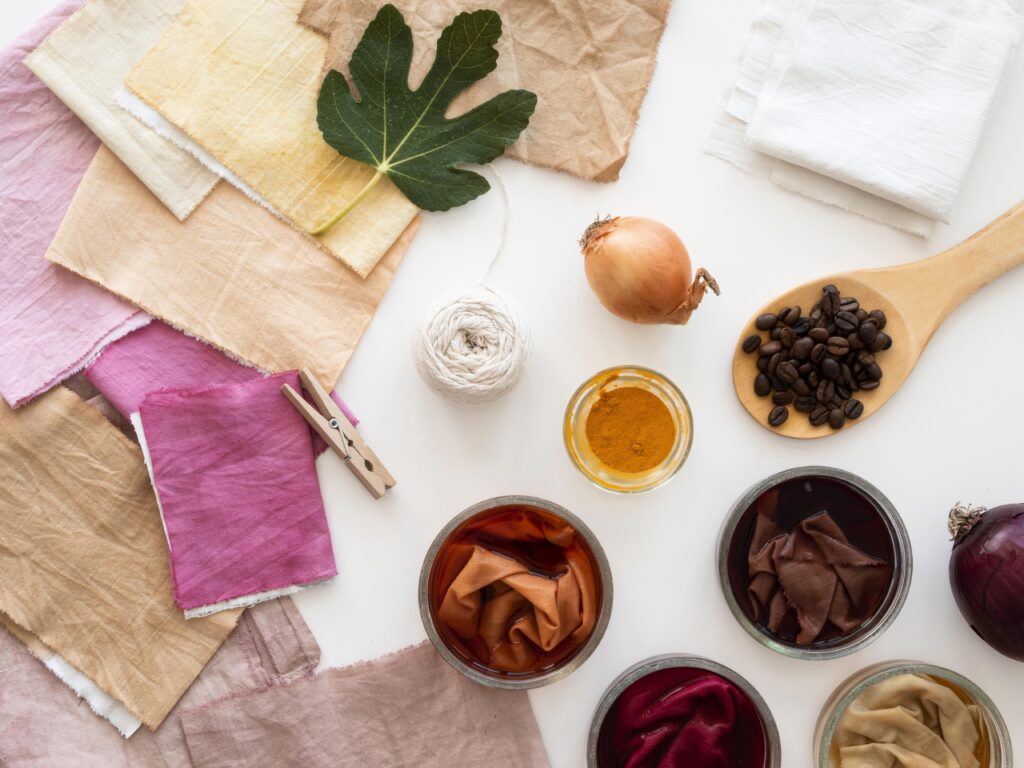
Brazil also stands out for the richness of its natural pigments, extracted from unique elements of its biodiversity. Long before industrialization, Indigenous peoples had already mastered the use of dyes derived from the forest, creating pigments from seeds, bark, roots, and clays. This ancestral knowledge has been passed down through generations and is now gaining renewed strength, valuing more sustainable processes deeply connected to the land.
Among the most emblematic examples is brazilwood, historically known for its intense red dye, which was once highly valued and widely exported during the colonial period. Another example is genipap, which produces a dark blue—almost black—color through a natural oxidation process when in contact with skin or natural fibers. Urucum also stands out, with its seeds generating vibrant pigments in shades of red and orange, widely used both in Indigenous body painting and in textile dyeing.
Beyond these, there is an endless range of possibilities found in Brazilian nature, such as tree bark, leaves, fruits, and even mineral-rich soils, revealing an organic and unique palette. These are colors that do more than dye—they tell stories, carry cultural identity, and reflect the intimate relationship between humans and the environment.
More than a territory of abundant resources, Brazil presents itself to the world as a great power, where nature, culture, and ancestral knowledge intertwine in a unique way. At a time when balance between development and preservation is being sought, the country not only offers solutions but also inspires new paths—pointing toward a more conscious, sustainable future, deeply connected to its origins.
Photos: Vamos Trilhar, Freepik, Portal Amazônia, Brasilian in Foco.


 Portuguese
 French
 English
 Italian