
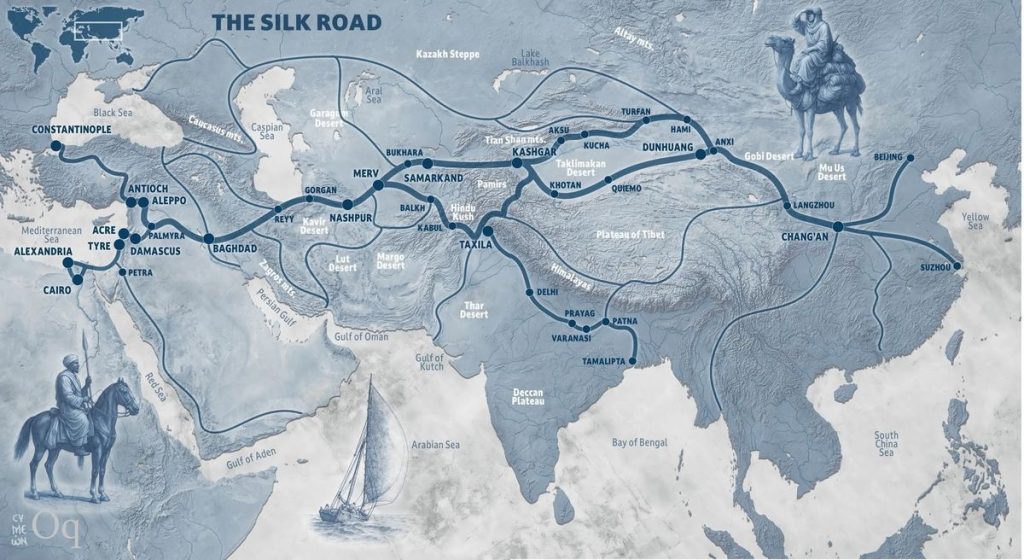
For centuries, the Silk Road was one of humanity’s most important connections. More than just a trade route, it represented the meeting point of cultures, religions, technologies, and distinct ways of life. Along its paths traveled silk, spices, porcelain, and ideas that helped transform entire civilizations. Today, this ancient link between East and West is reborn in a new journey: a train expedition that turns connections into a unique experience.
The contemporary proposal of the so-called New Silk Road revives a historical imagination that crosses deserts, mountains, and legendary cities of Central Asia. Inspired by the ancient trade routes that connected East and West, the new railway itinerary passes through historic destinations such as Xi’an, Kashgar, and Samarkand, transforming landscapes deeply marked by history.
Among the most remarkable names connected to the history of the Silk Road is Marco Polo, the Venetian explorer and merchant who traveled across Asia during the 13th century. Throughout his journeys, he crossed territories that were once part of the ancient trade routes between East and West, documenting cultures, cities, customs, and riches that were still largely unknown at the time. His writings helped transform the Silk Road into a historical symbol of discovery, cultural exchange, and fascination with the East, echoing the ancestral legacy of these ancient connections between civilizations.
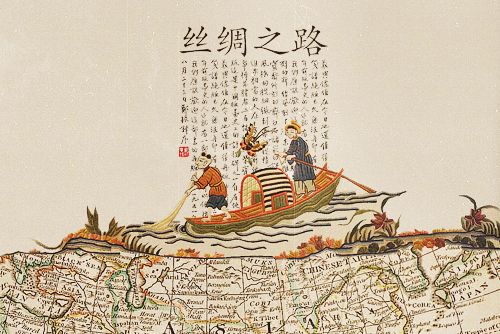
In 2026, the historic Silk Road receives a contemporary reinterpretation on rails. The luxury railway company Golden Eagle Luxury Trains, known for iconic itineraries such as the Trans-Siberian Railway and journeys inspired by the glamour of classic trains like the Orient Express, introduces a new railway expedition between Beijing and Tashkent, connecting China and Central Asia throughout a 21-day journey.
The route covers more than 4,500 kilometers through deserts, mountains, and ancient cities — landscapes that, for centuries, symbolized cultural exchange, trade, and discovery.
The crossing is operated by two luxury trains: the Golden Eagle Silk Road Express, responsible for the Chinese section, and the Golden Eagle Train, used during the Central Asian stage. The concept of the journey is to transform transportation itself into an essential part of the experience, following the “slow travel” trend — a more contemplative form of tourism focused on cultural immersion and connection with the places visited.
On board, the experience combines comfort and sophistication. The cabins were designed for long journeys, featuring private spaces, wide panoramic windows, and hospitality services. Restaurants, lounges, and social areas complete the proposal of a trip that revives the romance of grand railway crossings in a contemporary version of the ancient Silk Road.
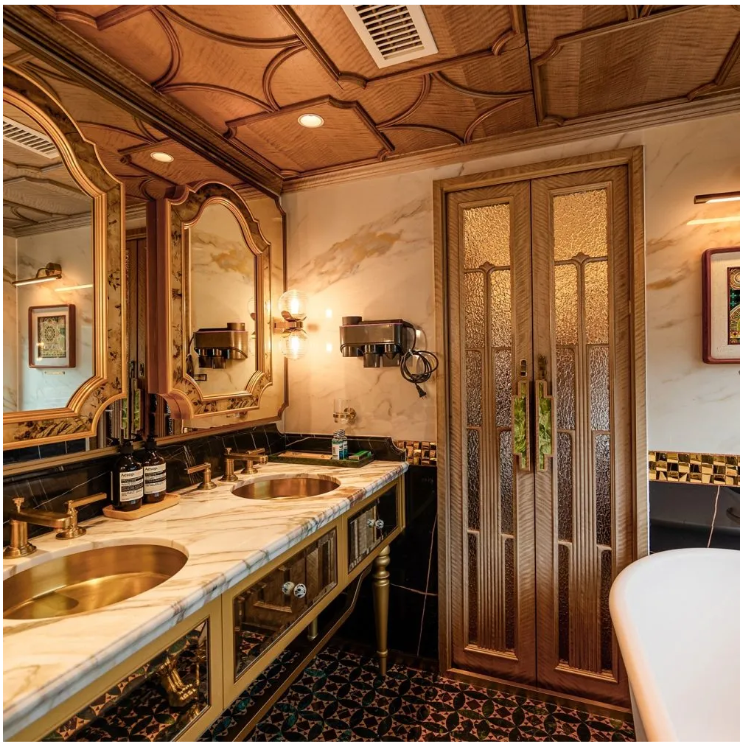
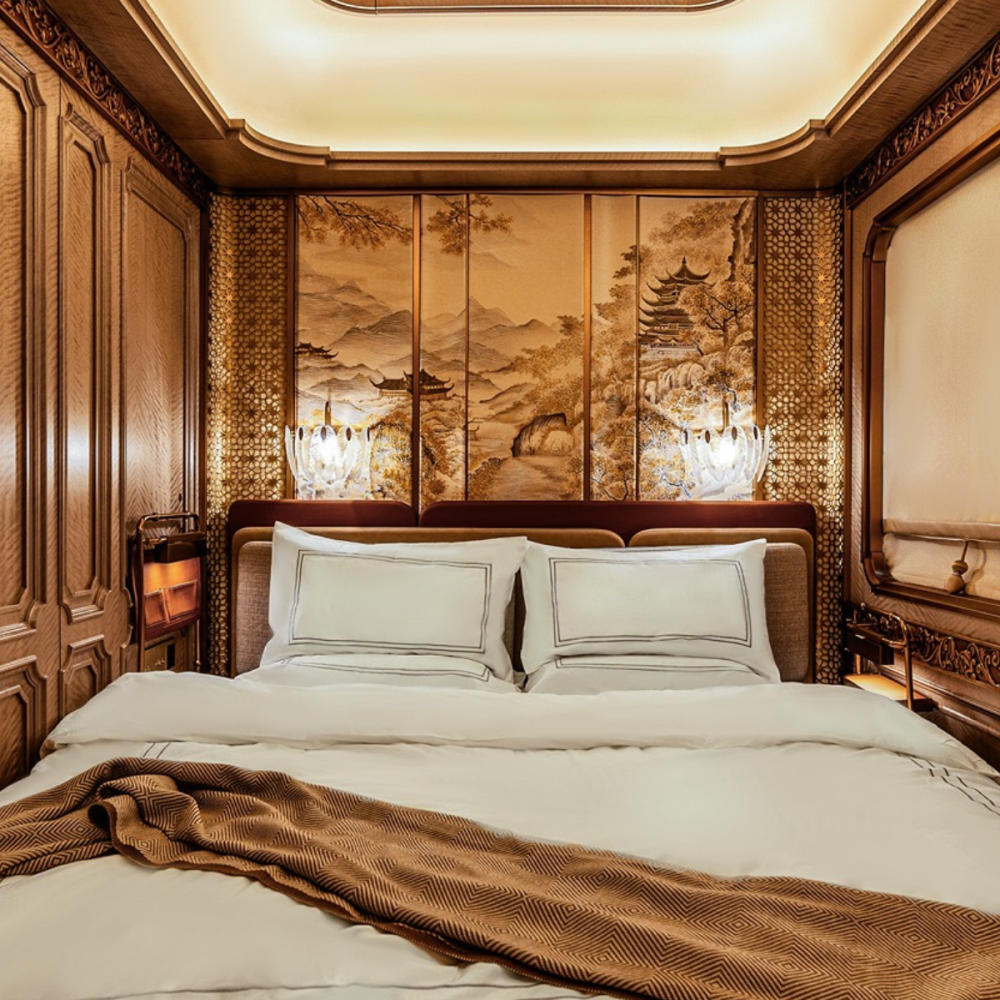
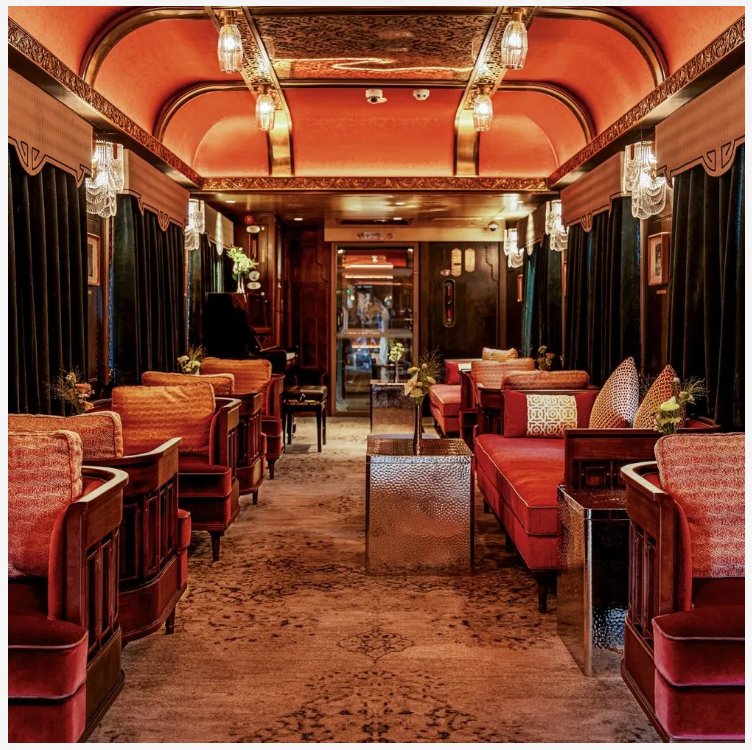
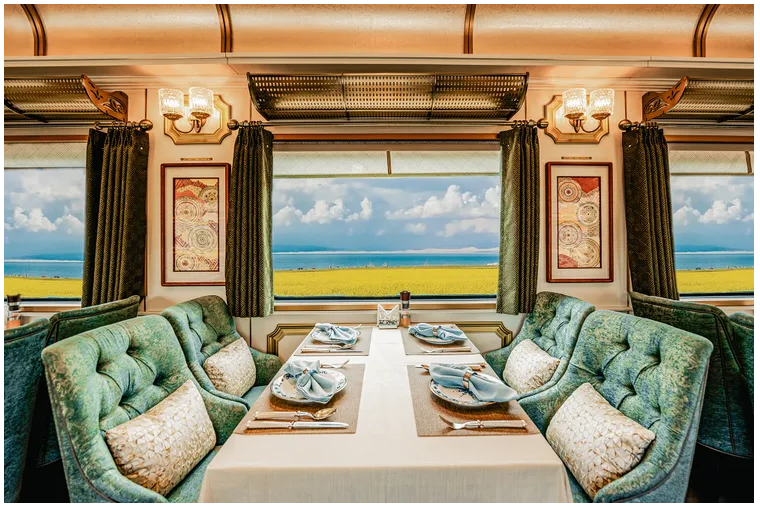
More than luxury tourism, the New Silk Road project symbolizes a shift in the perception of time and the way we travel. The railways represent more than transportation: they become diplomatic, economic, and cultural instruments. By uniting past and future, tradition and modernity, this new railway experience demonstrates how ancient routes continue to shape today’s world.
Perhaps that is precisely the great fascination of the Silk Road: it was never only about merchandise. It has always been about cultures meeting, stories crossing borders, and connections that withstand the passage of time. And now, on rails, this story continues in motion.



 Portuguese
 French
 English
 Italian