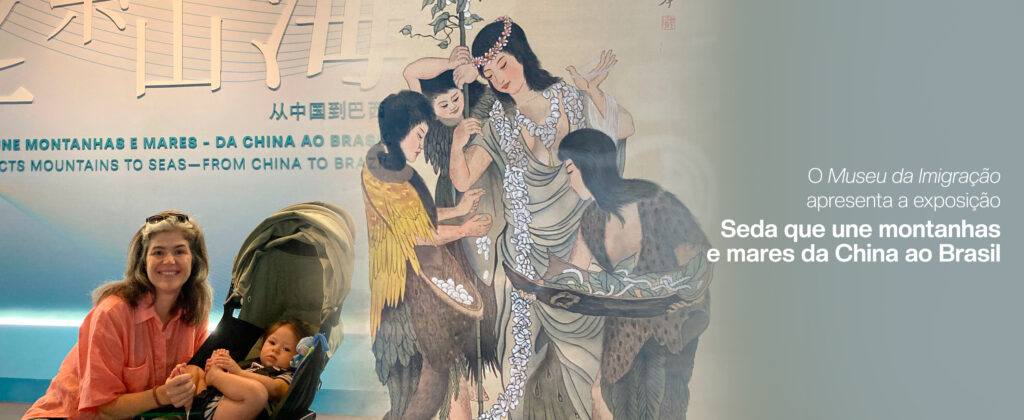
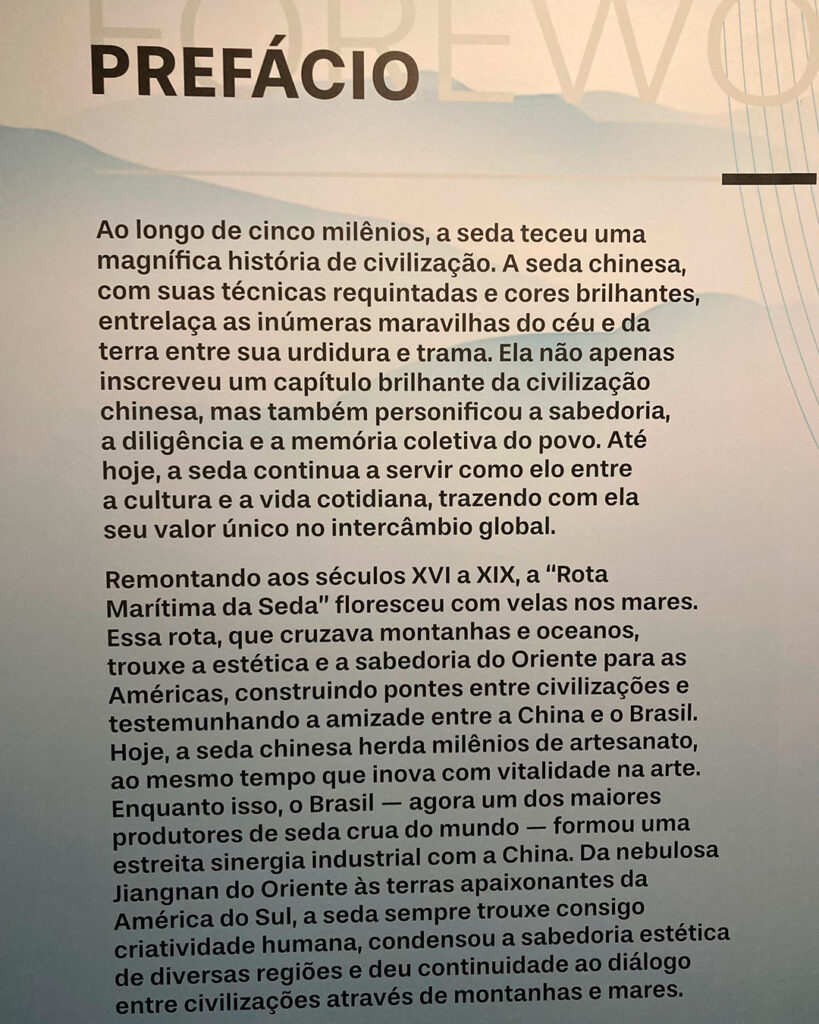
From October 24, 2025 to March 29, 2026, the Immigration Museum, in partnership with the China National Silk Museum, presents an exhibition that invites visitors to immerse themselves in the millennia-long journey of silk and the deep cultural connections between East and West.
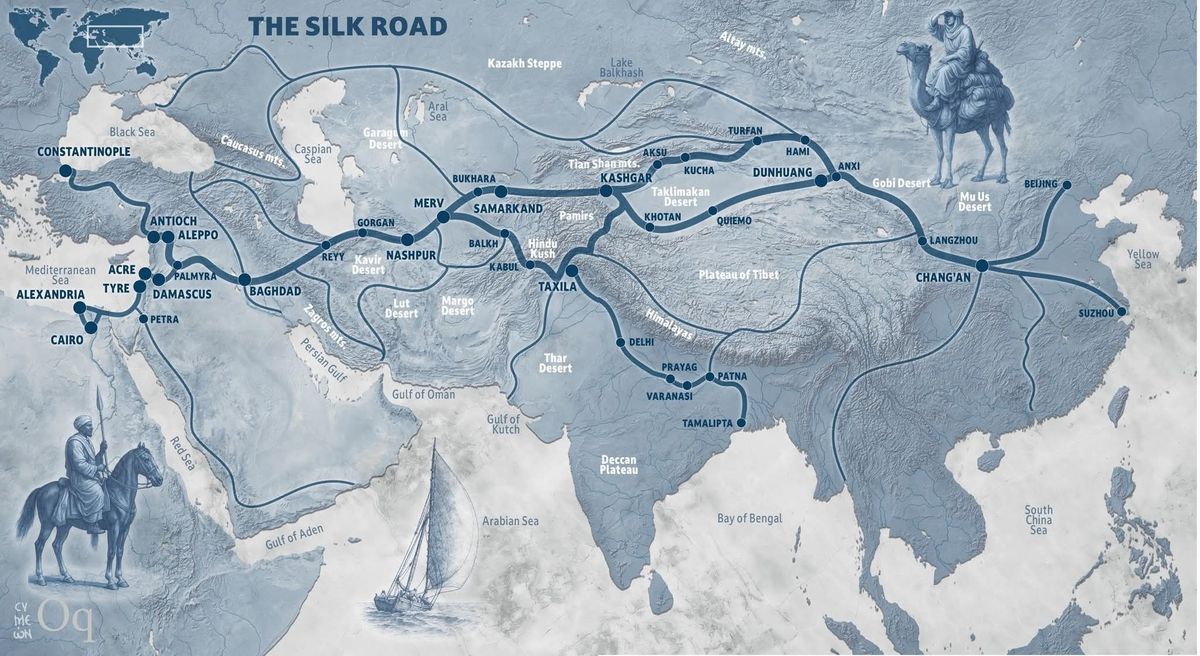
Divided into three sections — The Origin of Silk, The Silk Roads, and The Beauty of Silk — the exhibition traces everything from the legends and early discoveries of sericulture in ancient China to the expansion of trade routes that shaped economies and cultures. Visitors follow how silk crossed continents through the historic Silk Road, connecting empires and influencing fashion, art, and technology.
In the first section, The Origin of Silk, the early beginnings of producing the delicate thread that would become one of the most valuable products in the world are presented. In The Silk Roads, the narrative reveals how caravans, navigators, and merchants transformed the fabric into a bridge between civilizations. Finally, in The Beauty of Silk, the public can admire pieces that highlight aesthetic refinement, the diversity of techniques, and silk’s role as an artistic and cultural expression.
The exhibition reinforces the power of cultural encounters and celebrates silk as a thread that weaves together stories, traditions, and transformations across centuries — a true link between past and present.

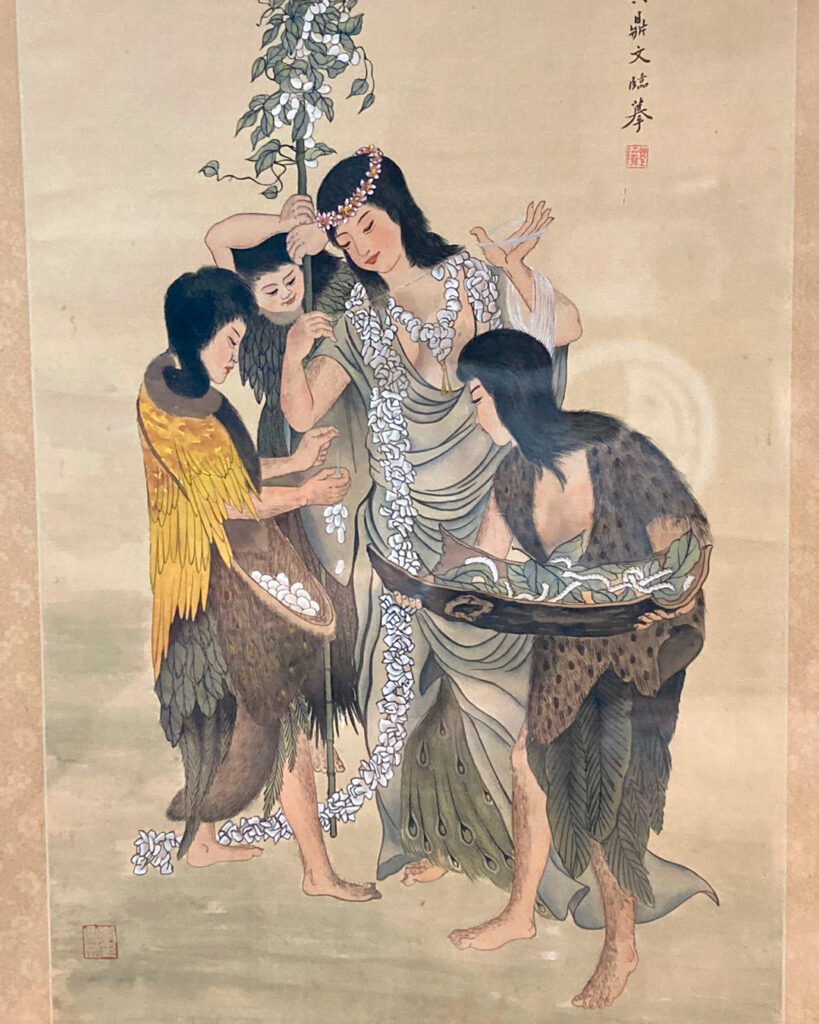
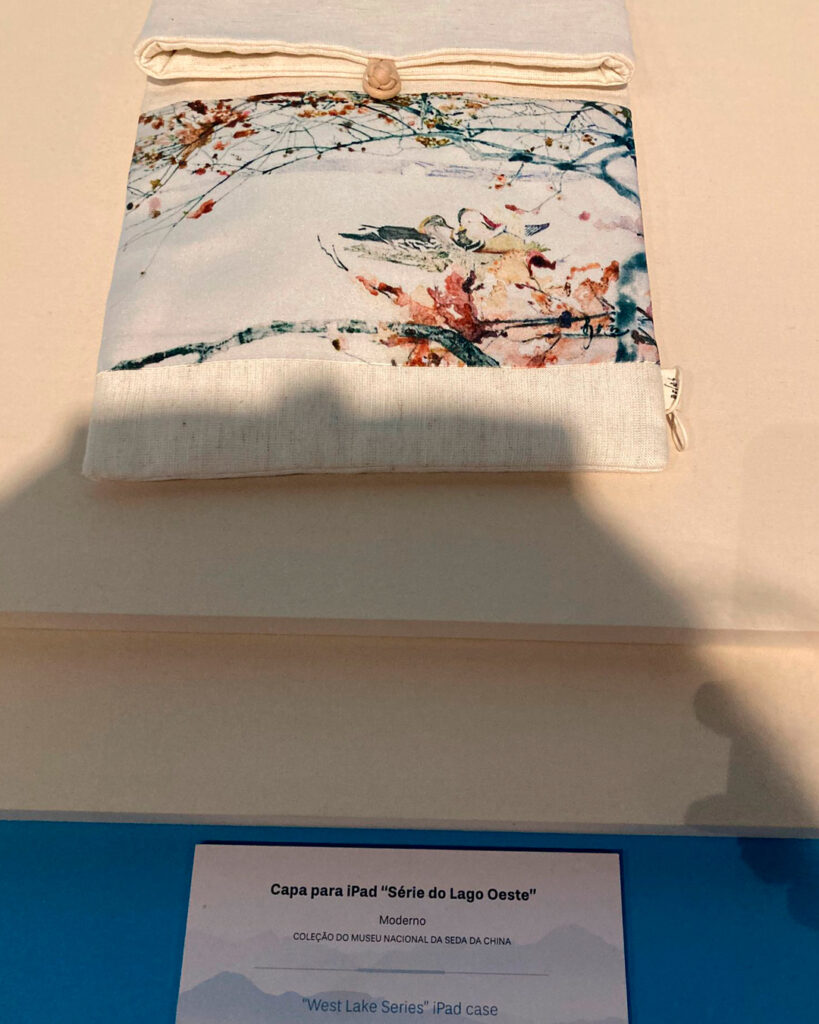
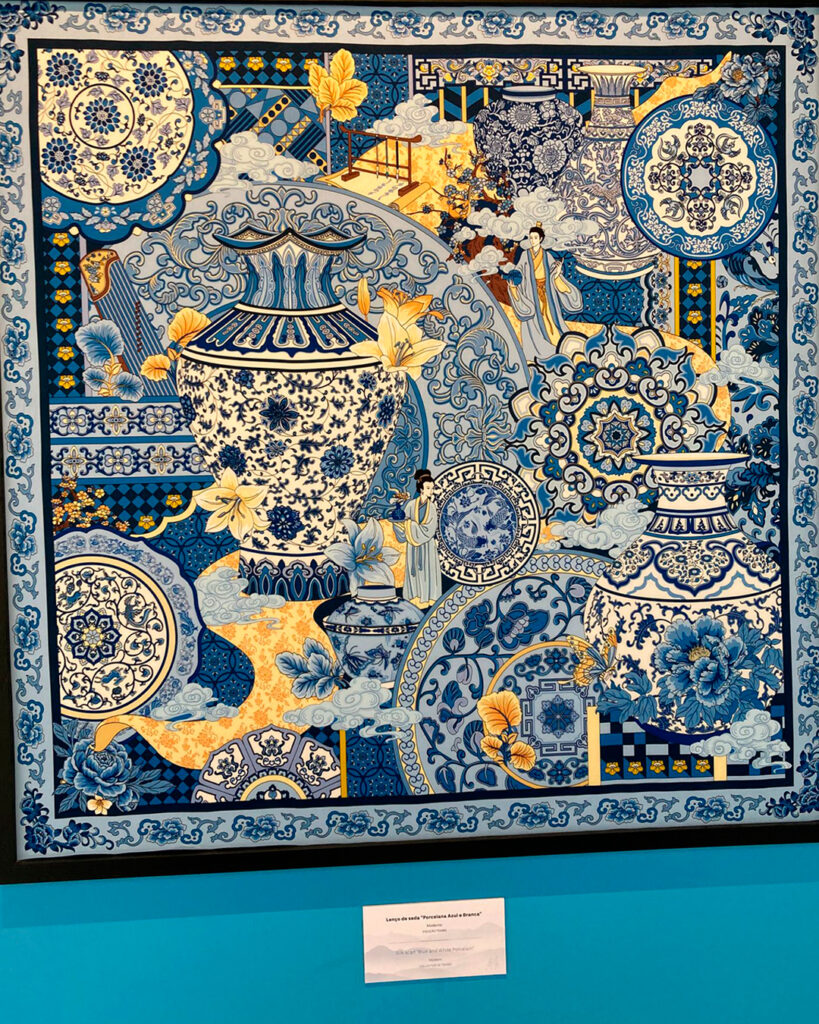
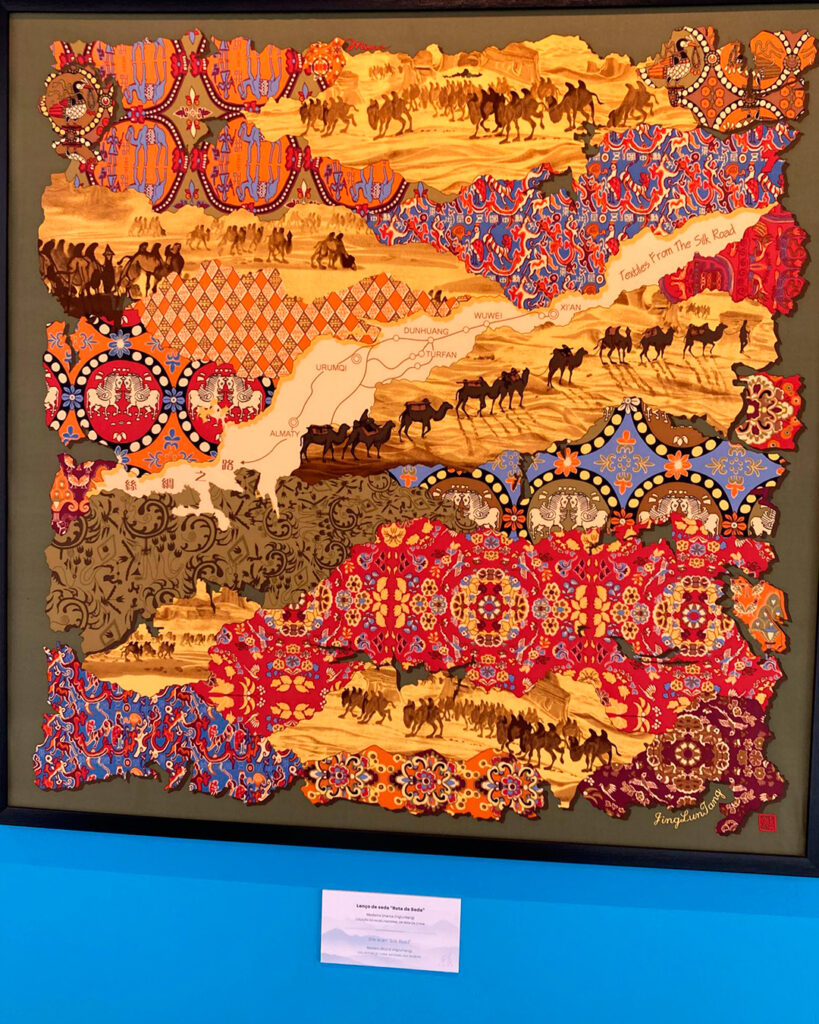
João Berdu, founder of Vale da Seda, was responsible for donating three silk artworks to the China National Silk Museum, located in Hangzhou. The pieces, created in 2014 by visual artists René and Valdir from Paraná, are now part of the museum’s collection.
According to Berdu, the initiative began in 2024, when he left the space that Vale da Seda occupied at the Technological Incubator of Maringá, in Paraná. “I recorded a video offering to donate the artworks that were in the museum to organizations that might be interested,” he said. Later, the International Silk Union (ISU) — a network of silk-producing countries — facilitated contact with the Chinese museum, which was preparing an exhibition in Brazil scheduled for 2025.
Regarding his visit to the museum, João Berdu highlighted: “I didn’t know the museum. I thought the visit was worthwhile. The exhibition turned out really beautiful,” said the entrepreneur, who works in Paraná and invites anyone visiting São Paulo to experience this incredible exhibition.
Check out the media coverage about the project involving students and initiatives connected to the world of silk:
Silk: tradition, myth, and the routes that connected the world
Over millennia, silk has established itself as one of the most emblematic materials in the history of civilization. Far beyond a precious fabric, it represents a link between culture, art, technology, and spirituality. Originating in China, silk was produced through sericulture — the cultivation of silkworms — and quickly became a symbol of refinement, technical knowledge, art, and expression. Its delicacy has endured through centuries, reflecting not only the craftsmanship of different peoples but also deeply rooted cultural values.
The importance of silk is also tied to ancient trade routes that connected continents. The so-called Silk Road established, by land and sea, a vast system of exchange between East and West. By crossing mountains and oceans, silk helped build bridges between civilizations and contributed to cultural dialogue among different regions of the world.
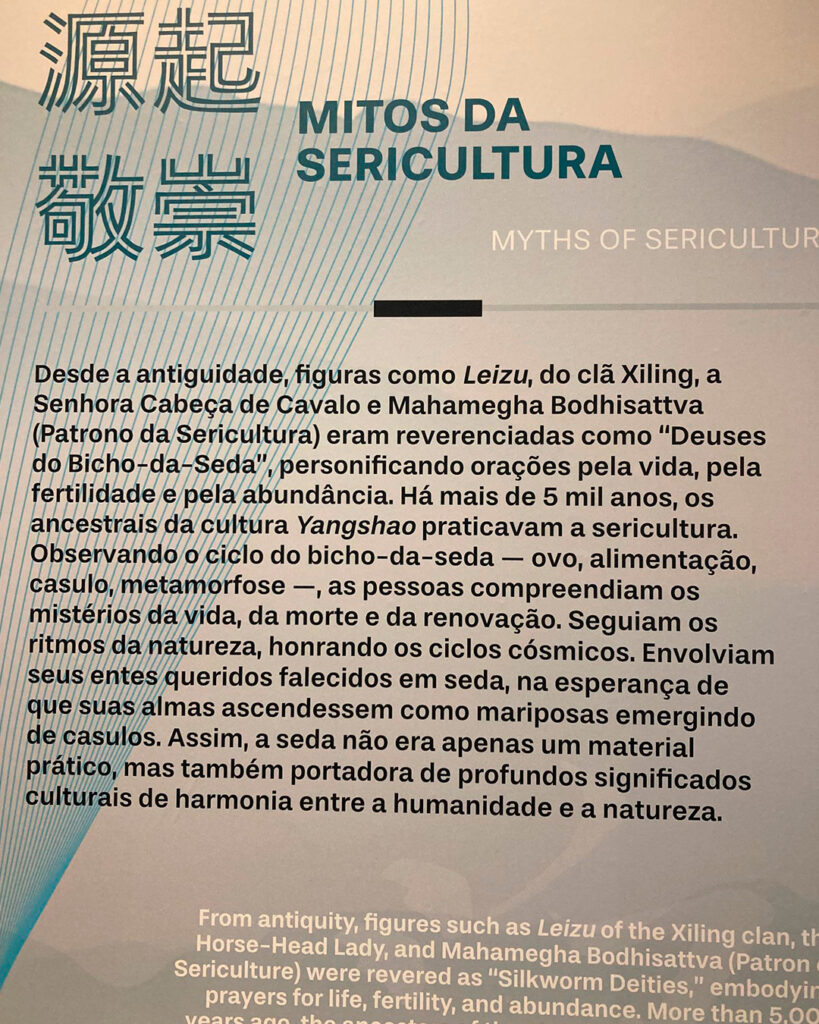
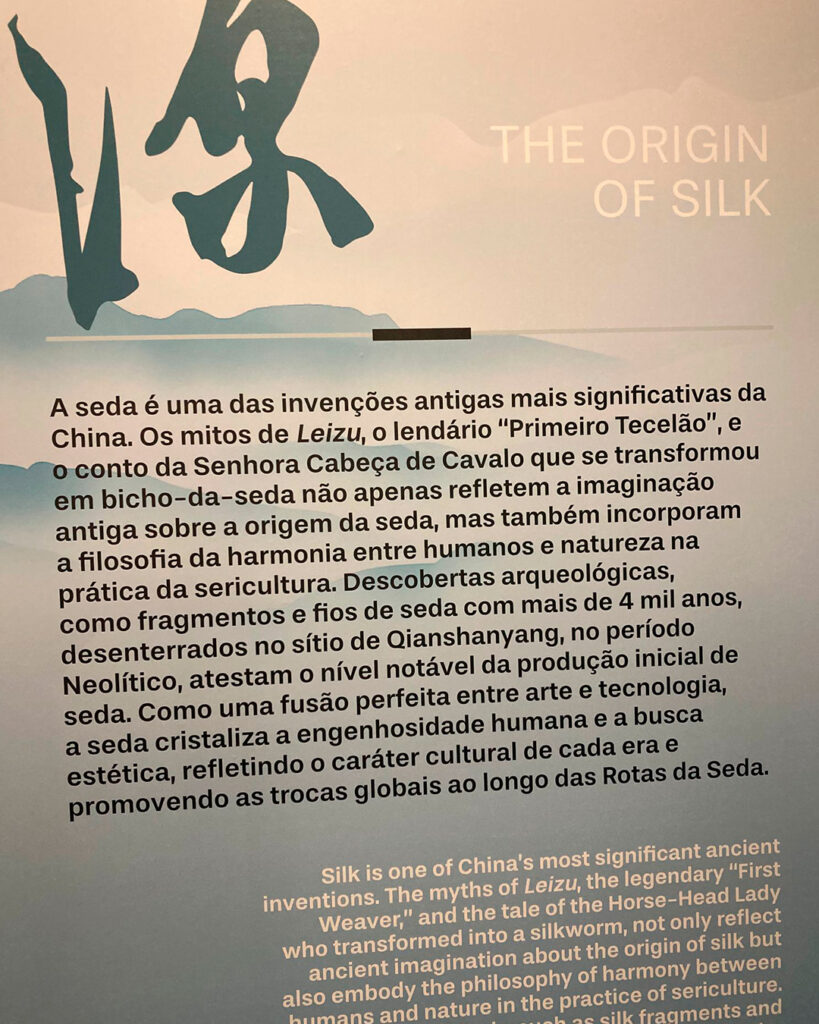
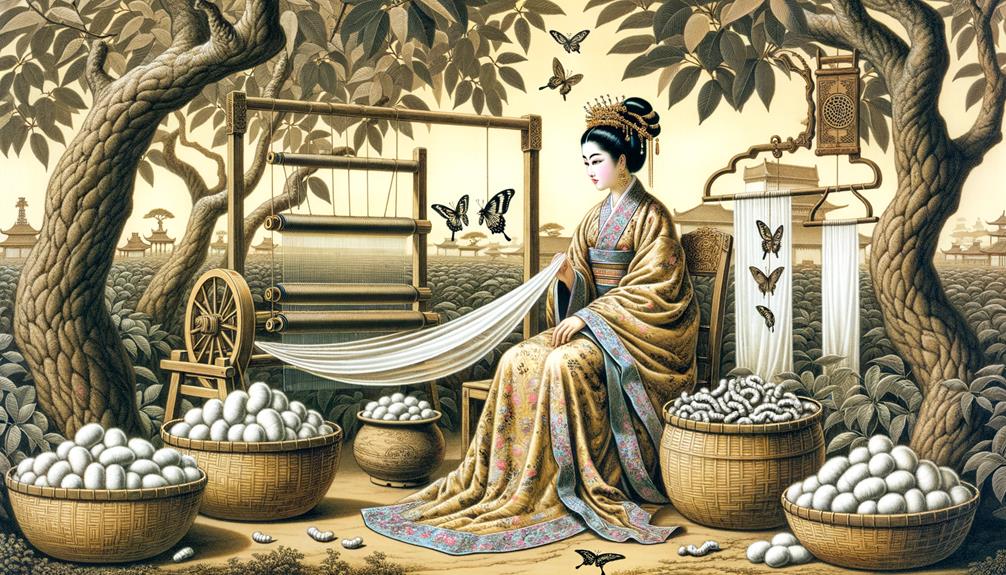
The history of silk is deeply intertwined with myths and traditions. Among the most well-known narratives is the legend of Leizu, considered in Chinese culture to be the discoverer of silk and the “first weaver.” According to tradition, she observed a silkworm cocoon and discovered the possibility of unraveling its threads, initiating the practice of sericulture. From this discovery, sophisticated production techniques were developed, transforming silk into one of the most valued products of antiquity.
Another remarkable myth is that of the Lady with the Horse’s Head, a legendary figure associated with the origin of the silkworm. The story, spread during the Tang Dynasty, tells of a young woman who lived with her parents when her father was captured by pirates. In despair, her mother promised to marry her daughter to whoever brought him back. The family’s horse heard the vow, ran away, and returned days later bringing the man safely home. When the father learned of the promise, he refused to fulfill it and killed the animal. According to the legend, the horse’s skin enveloped the young woman and carried her to a mulberry tree, where she transformed into a silkworm — traditionally depicted with a head resembling that of a horse.
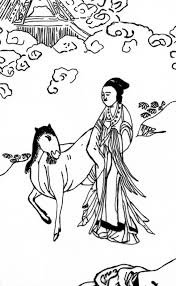
Popular engraving of the “horse-head maiden.”
Among the traditions linked to sericulture is also the legend of the “Silkworm Protector Cat.” Farmers knew that rats posed a constant threat, as they could devour silkworms and ruin entire productions. To protect the cocoons, they began raising cats near cultivation areas. Over time, it was believed that even the symbolic presence of these animals could drive rodents away. Thus, paintings and images of cats began to be placed in breeding spaces, as tradition held that these images possessed a spiritual power capable of protecting silkworms and ensuring the prosperity of production.
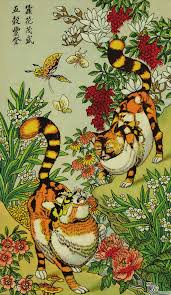
Engraving of cats protecting silkworms.
Silk knows no borders. More than just a fabric, it represents the meeting of cultures, knowledge, and techniques — the result of exchanges and refinements that have crossed generations between mountains and seas. To this day, silk remains a symbol of connection between eras and peoples. Whether through the trade routes that united continents, the myths that explain its origin, or the delicacy of its threads, it continues to weave together peoples, stories, and traditions across time.