

We live in an era of intense consumption and fast production — and this pace leaves its mark: waste. Every day, tons of resources are discarded, from food to industrial raw materials, creating an ever-growing environmental impact. Rethinking our consumption habits and production processes is not just necessary — it’s urgent — if we want to turn waste into opportunity and build a more sustainable future.
Inspired by the need to repurpose waste, Dutch designer Zsofia Kollar developed an unusual fabric: made from human hair. It may sound strange at first, but this innovative idea follows the same logic that the fashion industry already applies to animal fibers. If we use garments made from animal hair, why not take advantage of human hair?
The startup, called Human Material Loop, was selected from over 4,000 entries for the Dezeen Awards 2023 in the “Sustainability” category. The Dezeen Awards is an international prize that recognizes outstanding projects and professionals in architecture, interior design, and product design, highlighting innovation, creativity, and global impact.
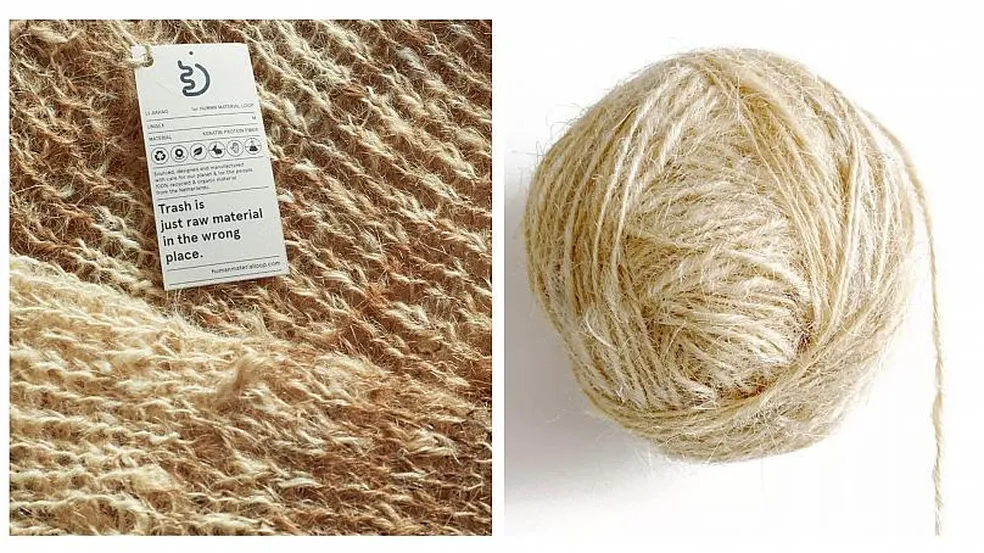
To create her pieces, the designer visited hair salons and collected cut hair. The strands have an impressive strength-to-weight ratio, comparable to steel, making them a promising material for clothing. In addition, they are 100% biodegradable, 100% recyclable, and free from microplastics. The production process is similar to that of other fibers — the hair is spun, turned into a continuous thread, and dyed with natural pigments.
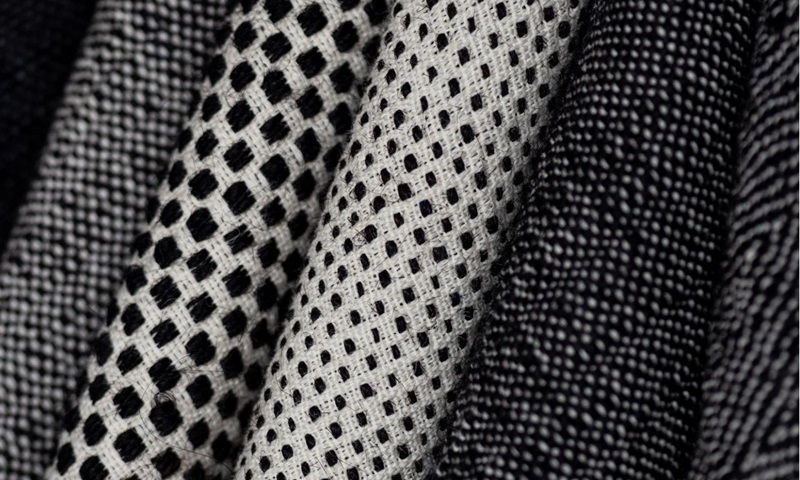
The startup has already produced prototypes of sweaters, jackets, and blazers and is conducting tests to use hair fibers as thermal insulation in coats.
Amid discarded textiles, unworn garments, and intensive industrial processes, tons of materials are wasted every year. Rethinking this scenario goes beyond a trend — it is an urgent necessity that demands creativity and solutions capable of transforming waste into new resources, proving that style and sustainability can indeed go hand in hand.
Sources: CNN, Um Só Planeta, Repubblica.it