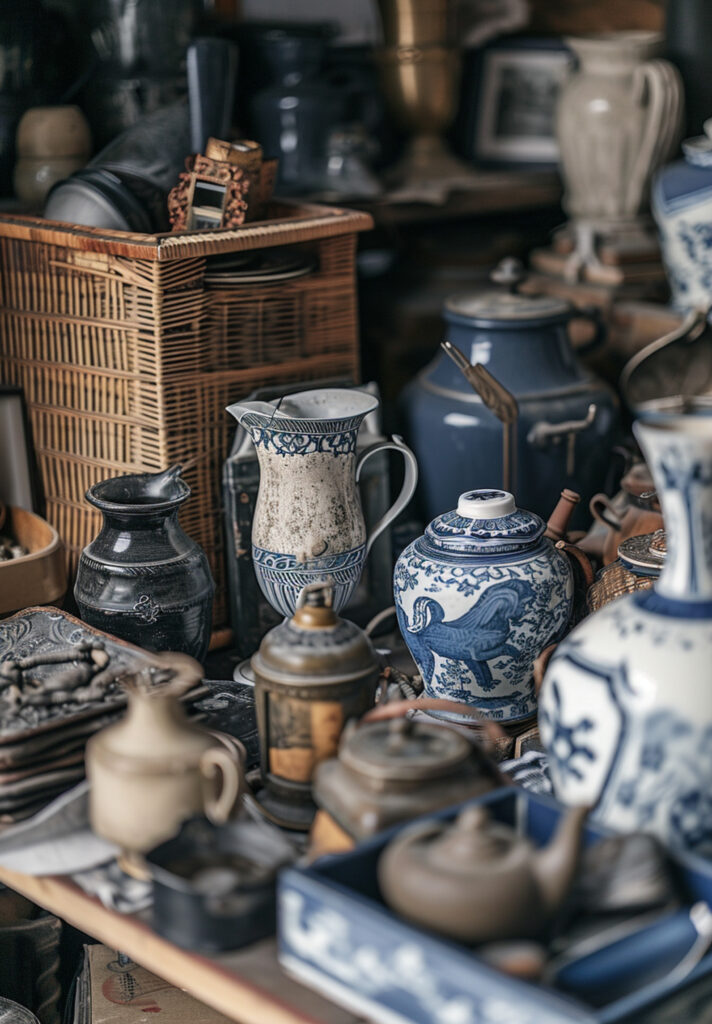
Porcelain is a very fine, white, and durable type of ceramic, famous for its beauty and delicacy. It is used to make plates, cups, vases, and even works of art. But did you know that it all began many centuries ago in China?
Porcelain was invented by the Chinese around the 7th century, during the Tang Dynasty. They discovered that by mixing certain types of clay (such as kaolin) and firing them at high temperatures, the result was a harder, smoother, and more translucent ceramic. For many years, the Chinese kept the secret of porcelain as a true national treasure. It was so special that it was used only by emperors or exported as a luxury item. As something completely new for the time, it quickly became highly valued.
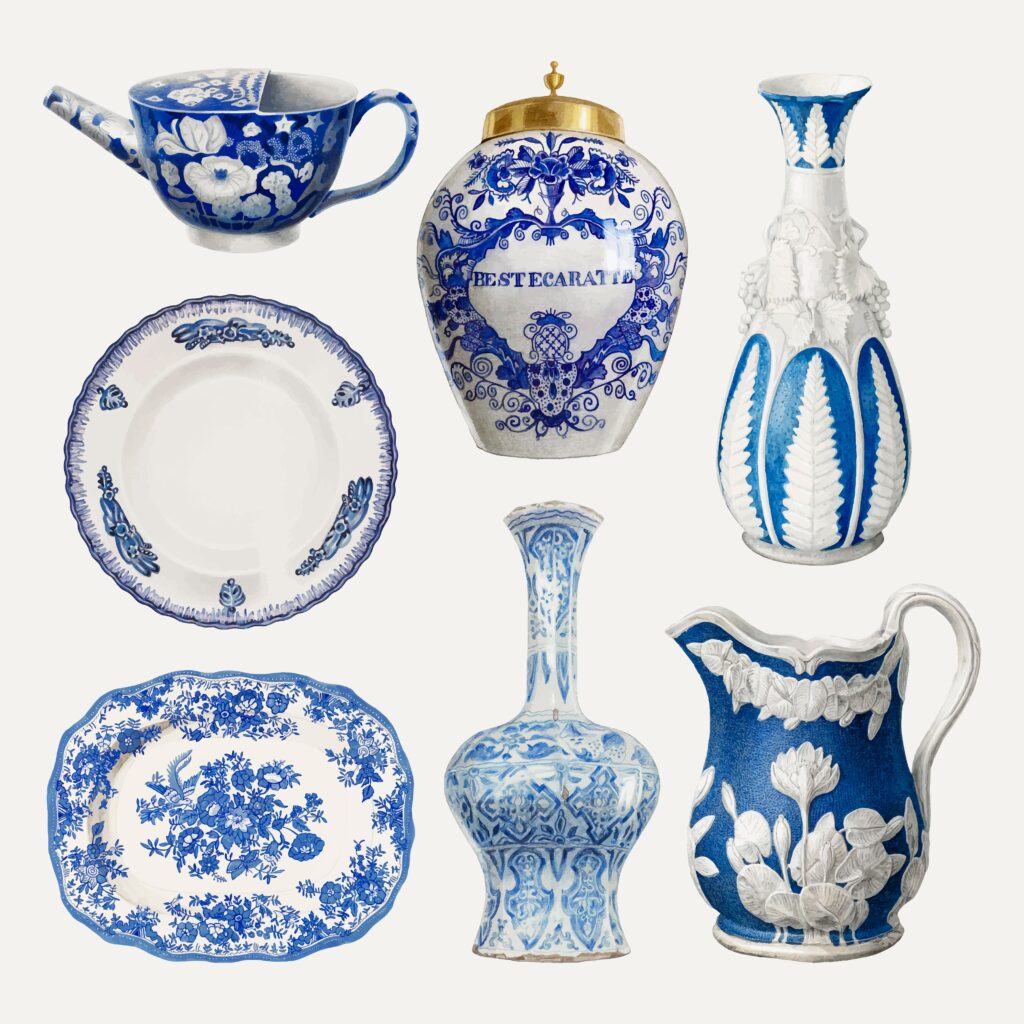
The use of cobalt oxide to decorate porcelain gained prominence during the Yuan Dynasty, consolidating the blue-and-white aesthetic of the famous and iconic blue-and-white porcelains. This tradition began when Persian merchants introduced cobalt oxide, an intense blue pigment used since the 3rd century BC to decorate Egyptian sculptures and Babylonian jewelry. This pigment proved ideal for porcelain, as it could withstand the high temperatures of the kilns without losing its vibrant color.
The Arrival of Porcelain in the West
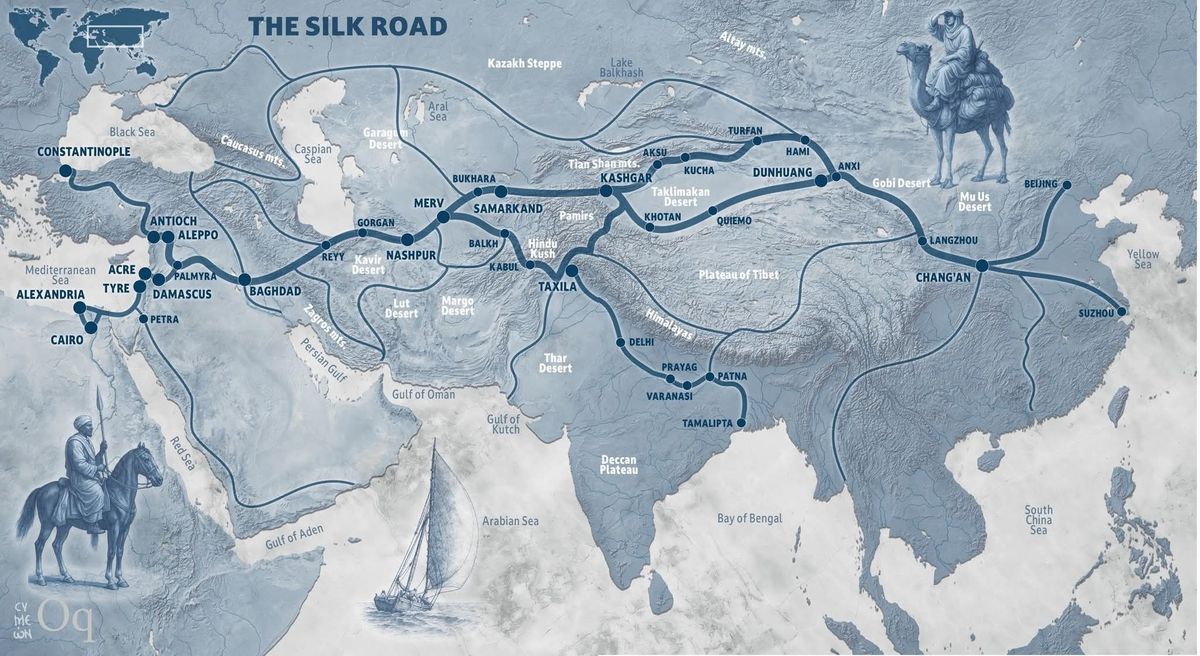
Between 1275 and 1295, Venetian merchant, ambassador, and explorer Marco Polo was one of the first Europeans to explore the legendary Silk Road. During his long journey through the East, especially China, he came into direct contact with many riches and innovations unknown in the West. Upon returning to Europe, he brought with him fascinating accounts of exotic products such as paper, raw silk, ivory, jade, spices, and the precious porcelain. His reports were instrumental in sparking European interest in this refined material.
In the early 1700s, two Germans, physicist and mathematician E.W. von Tschirnhaus and alchemist J.F. Böttger, succeeded in producing porcelain similar to that of China. This led to the founding of Europe’s first porcelain manufactory, the Meissen Factory. Meissen porcelain became a symbol of luxury and excellence, and it is still recognized today for its quality and tradition.
The Arrival of White Gold in Brazil
Porcelain arrived in Brazil with the Portuguese Royal Family in 1808, bringing imported pieces that quickly became a status symbol among Brazilian families. With the spread of Chinese techniques in Europe, imports increased, but it was World War I that boosted local production, leading to the creation of Brazilian factories, especially in São Paulo, in the early 20th century.
Between 1910 and 1940, porcelain produced in São Paulo became more popular and accessible. Brazilian pieces developed their own identity, with patterns reflecting national themes such as rural scenes, fruits, and flowers, distinguishing them from traditional designs.
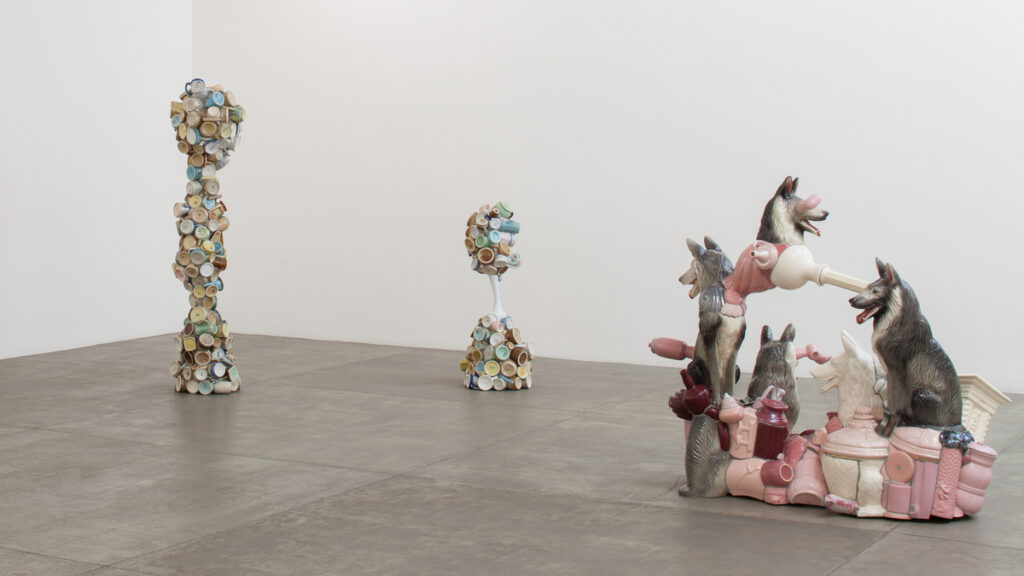
Work by the Carioca Artist Barrão
Beauty in Imperfection: The Philosophy of Kintsugi
Kintsugi is an ancient Japanese technique for repairing broken ceramics or porcelain, whose name literally means “golden joinery.” Instead of hiding the cracks, Kintsugi highlights breaks and imperfections as part of the object’s history. The pieces are restored using a mixture of lacquer and powdered gold, silver, or platinum, turning the scars into visual focal points of the piece.
More than just a craft, Kintsugi carries a profound philosophy, connected to the Japanese concept that sees beauty in imperfection and the wear caused by time. Each repaired crack tells a story, transforming the broken piece into something unique and valuable.
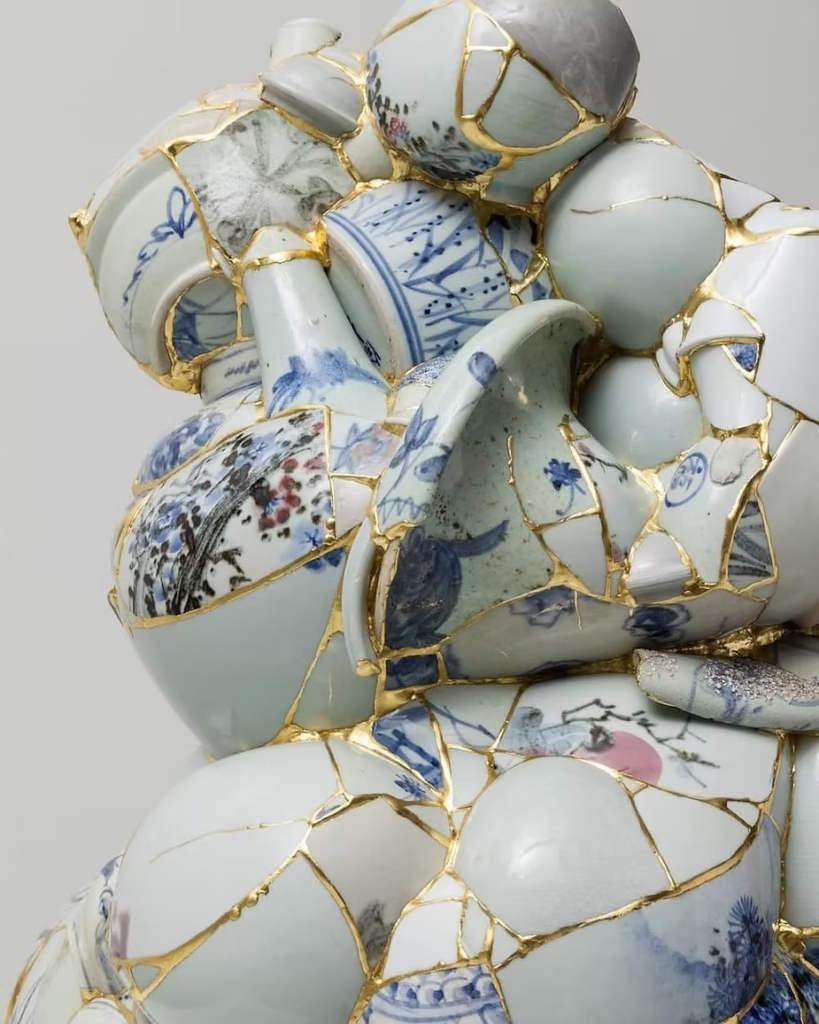
Work by the Korean Artist Yee Sookyung
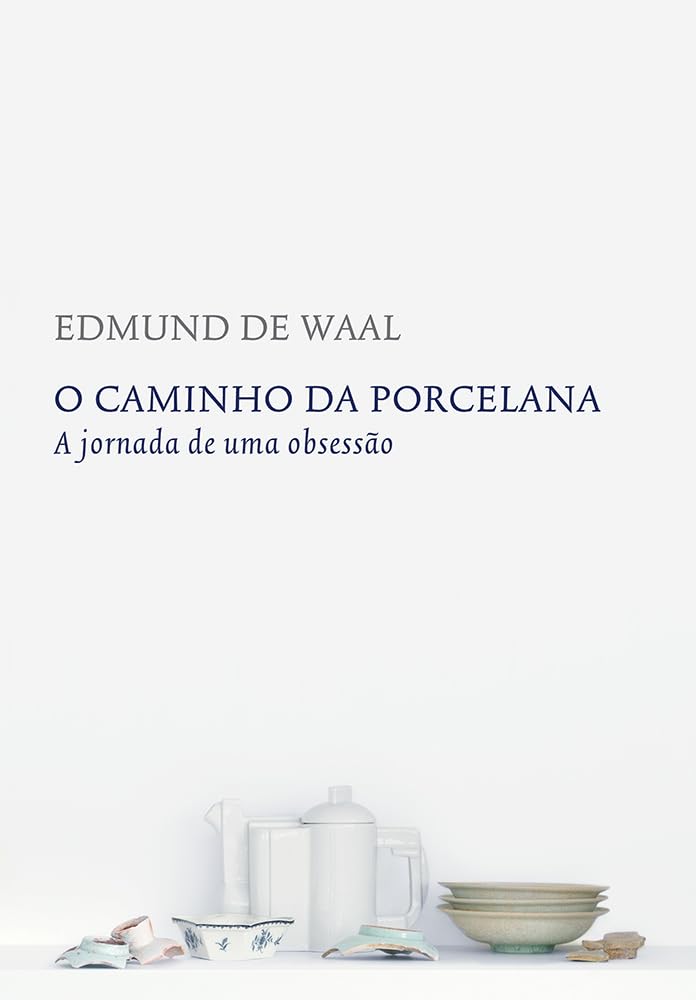
The Porcelain Path: A Fascinating Reading on the Journey of Porcelain
The Porcelain Path by Edmund de Waal is a book that blends personal memoirs, cultural history, and historical travel to trace the fascinating journey of porcelain, from its origins in China to its spread around the world. The author, a ceramicist and art historian, embarks on both a literal and symbolic journey to explore the history of porcelain, known as “white gold,” connecting three places: China, Germany, and Austria.
It is a rich and multifaceted work that helps us understand porcelain not just as an object, but as a symbol of culture, power, obsession, and beauty. By following the traces of “white gold,” Edmund de Waal offers a profound journey through art and history.
Over the centuries, porcelain has crossed continents, dynasties, wars, and social transformations, remaining a symbol of delicacy, art, and sophistication. From China’s closely guarded secret to Brazilian industrial productions, this raw material, shaped by fire and time, carries stories, cultures, and meanings. More than just a functional or decorative object, porcelain is a reflection of creativity.
Have you ever stopped to think about the stories that might be hidden behind a delicate piece of porcelain?
Sources: Super Interessante, Wikipedia, Amazon, Hoga Tools, Comes, Macéa, Bora Decora, Costa Verde, YouTube, Google Images, and Pinterest.