
Silk is a delicate natural fiber often found in the wardrobe of those who appreciate luxurious fabrics. It conveys elegance and femininity and, beyond its beauty, stands out for several qualities: it is lightweight, shiny, hypoallergenic, thermoregulating, and despite its delicate appearance, its thread is extremely strong and of high quality. To keep your silk piece flawless, it’s essential to know how to properly care for this material in order to preserve its beauty and durability.
You’ve purchased a piece from Do Fio da Seda and might be wondering: What product should I use to wash silk? Can I wash silk in the machine? Should I iron silk? This article aims to clarify these and other questions about how to care for your favorite silk item.
How to wash silk?
Always check the care label of the garment. If washing is allowed, choose an appropriate detergent, set the correct washing mode, water temperature, drying, and ironing settings.
Which soap should I use to wash silk?
There are several options available, such as delicate detergent, hydrogen peroxide, sparkling water, white vinegar, or even specific silk soap. We recommend using traditional Marseille soap to maintain the quality of the fabric.
How to wash by hand? What is the ideal temperature?
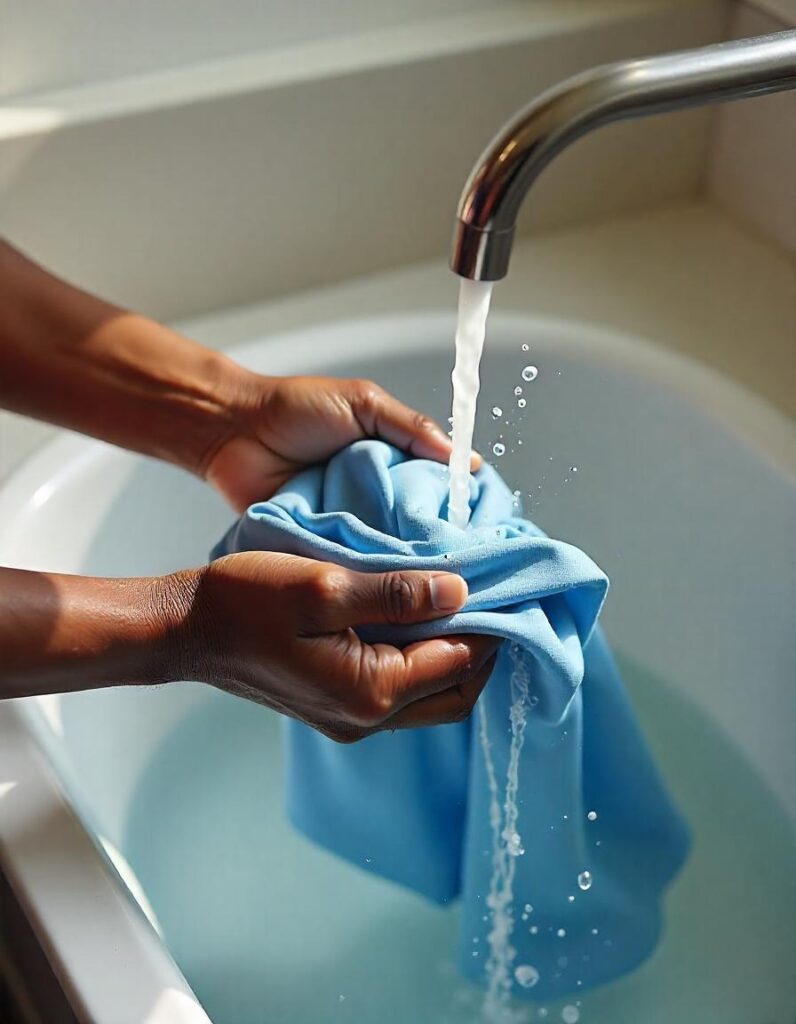
When hand-washing silk, use cold or lukewarm water, always avoiding hot water as it can damage the fibers. Note: do not soak the piece for more than 10 minutes. The ideal washing time is about 5 minutes in lukewarm water. Do not rub or wring the garment to remove stains—do it gently.
How to wash silk in the machine?
Although machine-washing silk is possible, it is not recommended as it may affect the fabric’s quality and shine. If you still choose this method, use the delicate cycle at 30 °C (86 °F) with a silk-appropriate detergent and no fabric softener, as it can damage the material. To better protect the item, place it in a mesh laundry bag suitable for delicate garments. Avoid spin-drying.
How to dry silk?
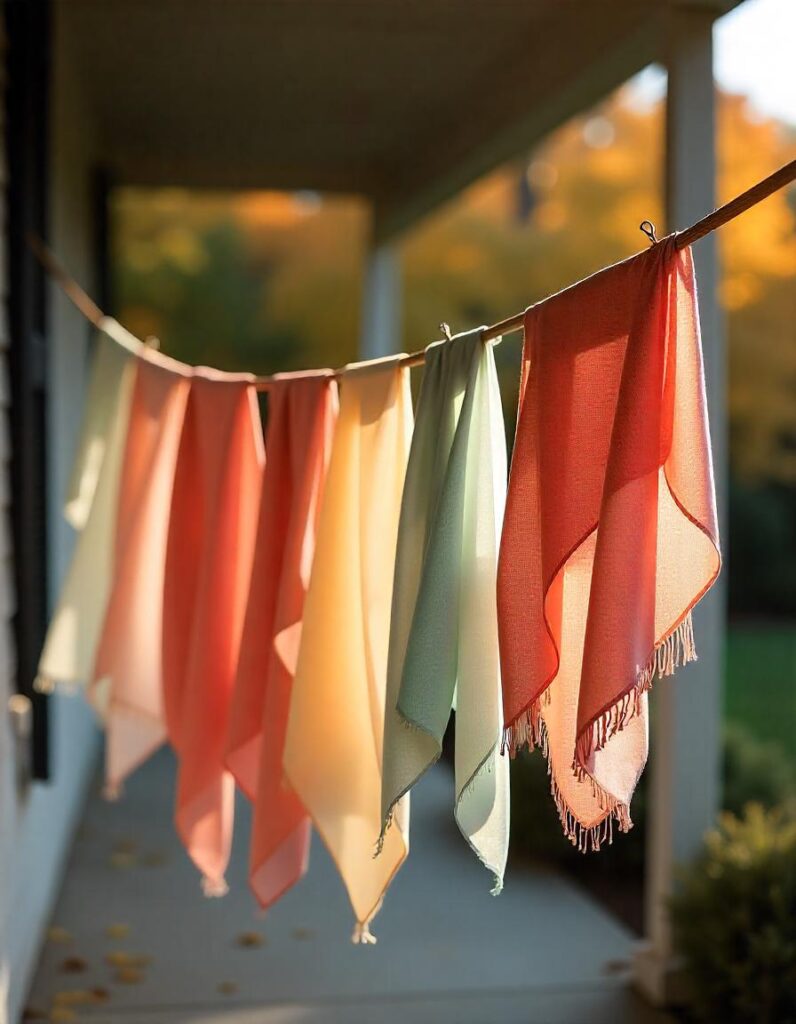
Never tumble-dry silk garments, as this can irreversibly damage the fabric. Avoid direct and prolonged exposure to sunlight, which weakens the fibers. Ideally, air-dry silk in a ventilated, shaded area by laying it flat on a surface. Avoid hanging on hangers, as this may distort the shape.
How to remove greasy stains?
Silk is strong but also fragile. A mistake in maintenance or stain treatment can permanently damage the fabric. The sooner you act, the better. Do not use chemical stain removers on silk! Sprinkle wheat flour over the greasy stain and let it sit for a while. Then wash with coconut soap and rinse the affected area with lukewarm water. Don’t forget: always do it gently to remove soap and residue. Next, press the fabric between two clean towels to absorb excess water. Do not wring or scrub the silk. Let it air-dry naturally, away from direct sunlight.
How to remove sweat stains?
Yes, it’s possible! Silk doesn’t stain easily, but if you tend to sweat heavily, you might notice sweat rings on the fabric, especially when scarves are worn on the head or neck.
To remove these stains, add a few drops of white vinegar to lukewarm water and soak the scarf for a few minutes. Do not rub the fabric, as it may damage it.
Then wash as usual and let it dry in the shade.
Para remover essas manchas, adicione algumas gotas de vinagre branco em água morna e deixe o lenço de molho por alguns minutos. Não esfregue o tecido, pois isso pode danificá-lo.
Em seguida, lave normalmente e deixe secar a sombra.
Lembre-se: Note: our scarves are 100% silk and naturally dyed. Therefore, it’s very important to avoid using lemon or any abrasive products to remove stains, as these ingredients can damage the delicate silk fibers and affect the color of the fabric. To ensure your scarf’s durability and beauty, always follow the recommended care instructions.
Should I iron silk? What is the ideal temperature?
When ironing silk scarves, use a high-quality iron on a low setting, always ensuring that the iron is not too hot. Iron the scarf while it is still slightly damp to avoid damaging the fabric. Avoid pressing the iron directly on the fabric. An alternative is to use a damp cloth, such as a clean towel, placing it over the scarf and ironing on top of the cloth to release steam and soften the fibers.
Protecting Your Silk Piece
In addition to cleaning, preserving silk is essential. Store your piece in a cool, dry place, avoiding humidity and low temperatures. Make sure it’s completely dry to prevent odors and mold. Ideally, wrap it in tissue paper and store it flat or inside a protective cover. Avoid contact with substances such as perfume and exposure to sunlight, which may fade the fabric. Protecting your silk ensures its durability and beauty.
All set! In addition to owning a 100% silk piece, you can now ensure it has a long life. Treat it with care, and your silk will continue to shine—like a soft touch of elegance that stands the test of time.
 Portuguese
 French
 English
 Italian